Late 20s and living at home: the cost no one's counting
Nearly a third of Australians in their late 20s live with their parents. The savings are real, but so is the psychological price of stalled adulthood.
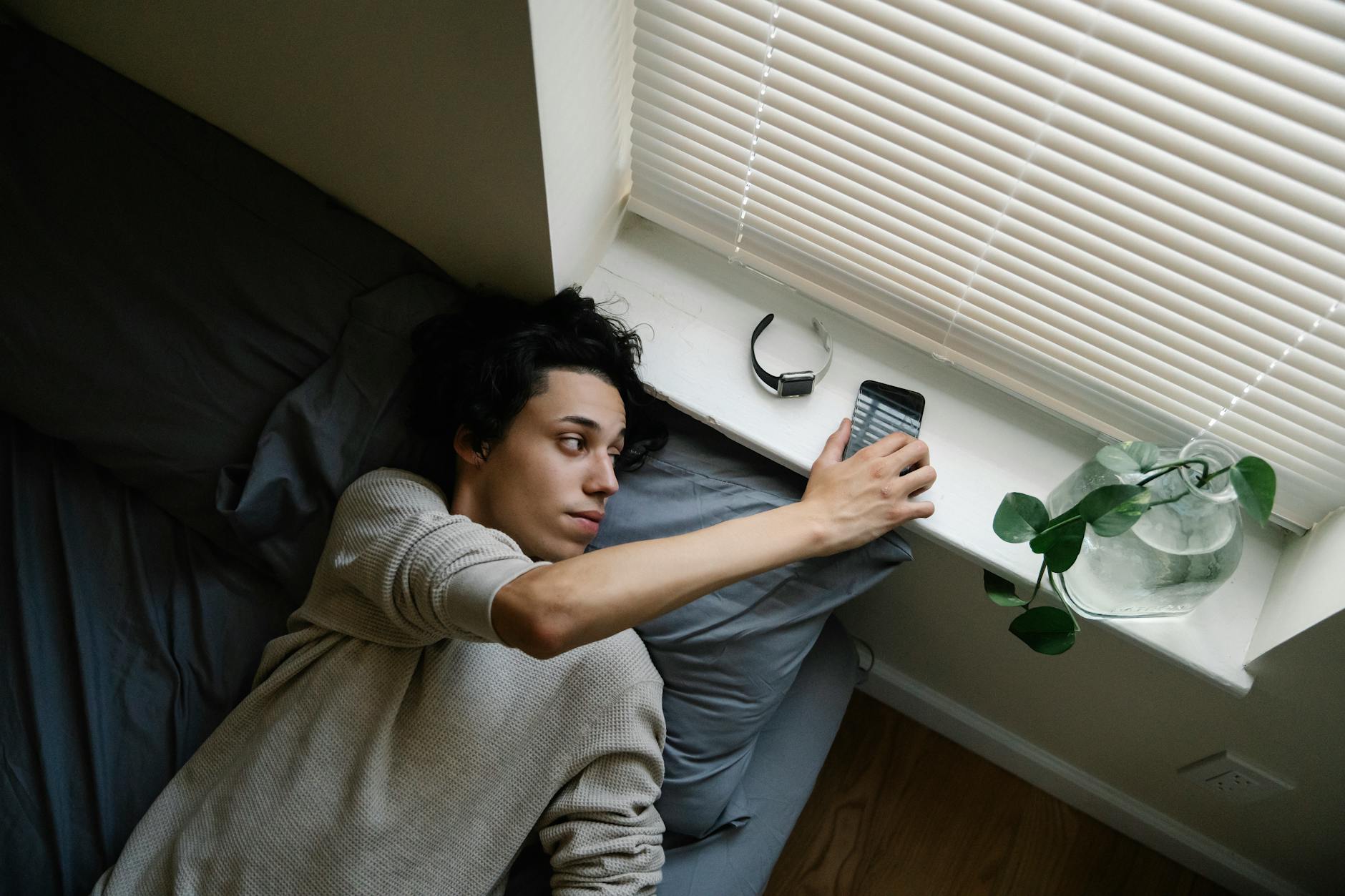
The door still sticks in summer. Same tinny click of the latch, same pale blue paint your mum picked when you were 15 — she said it was calming, you said it was prison-coloured. Now you’re 27, paying a phone bill and a car loan, and somewhere in the wardrobe there’s a box of Year 12 formal photos you keep meaning to move into storage but never quite do.
If that sounds familiar: you are not alone. You are, in fact, a statistic.
Nearly a third of Australian men aged 26 to 29 live at home with their parents — 31.2 per cent to be precise — and the figure for women isn’t far behind at 27.5 per cent. Those numbers have been climbing for two decades. The rate for young men has jumped nearly 50 per cent in 20 years; for women, it’s nearly doubled.
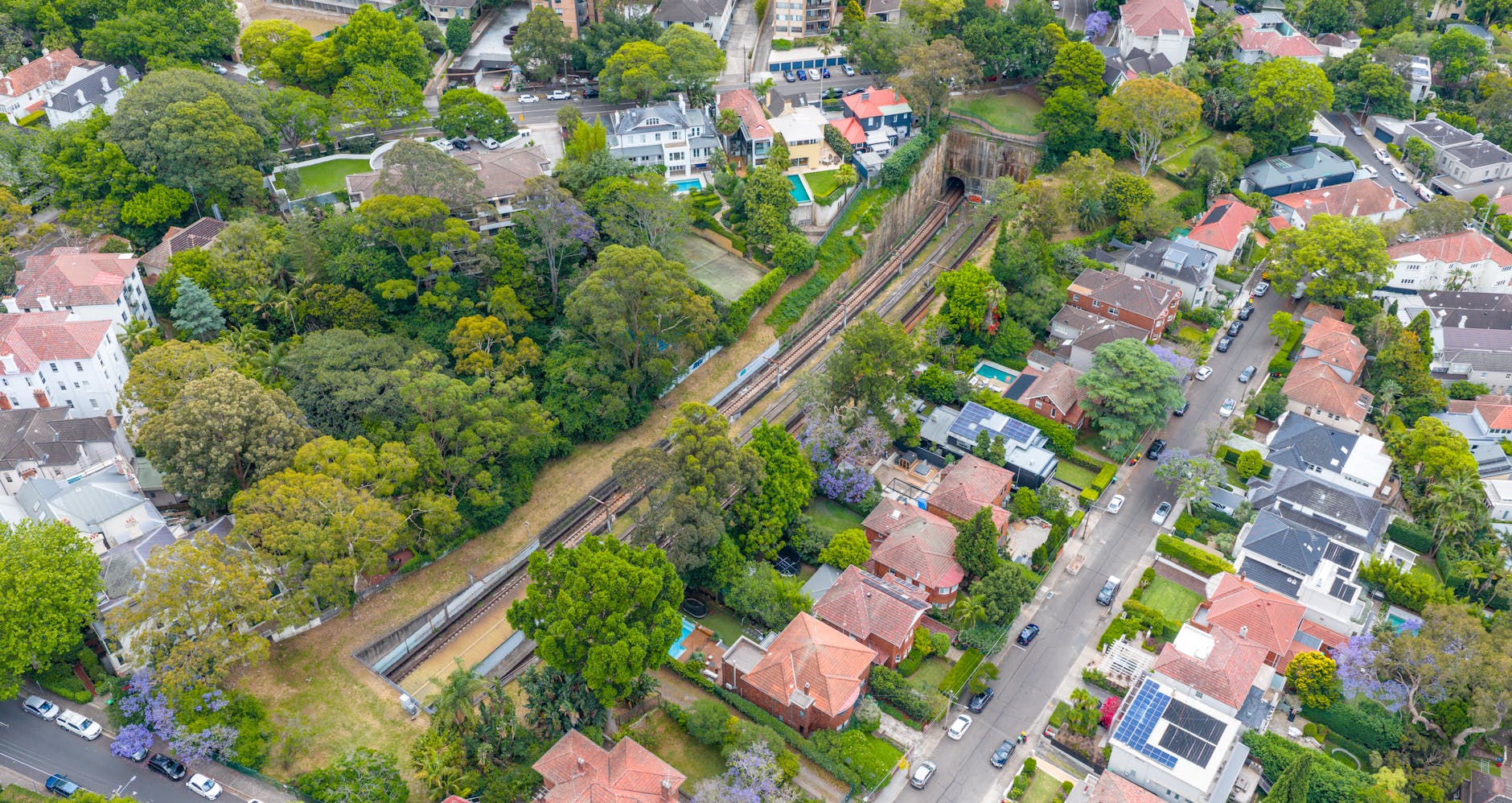
This isn’t a handful of adult children failing to launch. It’s what happens when Sydney’s median house price sits at $1.4 million, median attached dwellings cost $815,000, and advertised rents have risen 48 per cent in a decade while wages have shuffled sideways. The arithmetic of independence has broken, and with it has broken something harder to graph: the ordinary arc of growing up.
I grew up in Adelaide. When my parents were in their 20s, leaving home at 19 was the script — not because anyone was wealthy, but because a week’s pay at the Holden factory or the public service could cover a share-house room and some terrible pasta and a train fare into town. The gap between what you earned and what a life cost was a gap you could jump. Now, for a 26-year-old on a median salary eyeing a one-bedroom rental at $550 a week, the gap looks more like a canyon.
So people stay. And they save. The logic is hard to argue with — skip the dead rent, bank the difference, put together a deposit in five years instead of 15.
But the savings have a price, and it’s one the Excel spreadsheet doesn’t show.
A 2023 study published in PLOS ONE by Howard and colleagues found a measurable mental health deficit — roughly 4 points on a 100-point scale — among young adults living with their parents compared to peers who had moved out. Four points doesn’t sound catastrophic, but it’s persistent: a low-grade, background hum of distress that doesn’t announce itself as crisis but accumulates across years of borrowed bedrooms and Sunday-night dinners you didn’t quite consent to.
Living at home can sometimes result in tension and blurred boundaries. You may be an adult in age, but you can still be treated like a teenager, which can impact confidence, relationships and identity.
— Rachel Tomlinson, psychologist, quoted in the Sydney Morning Herald
“Blurred boundaries” — the clinical language is doing a lot of work there. What Tomlinson is describing is the specific indignity of being a person who pays tax and holds down a job and maybe manages a team, and then coming home to a parent who still wants to know what time you’ll be back and whether you’ve eaten properly.
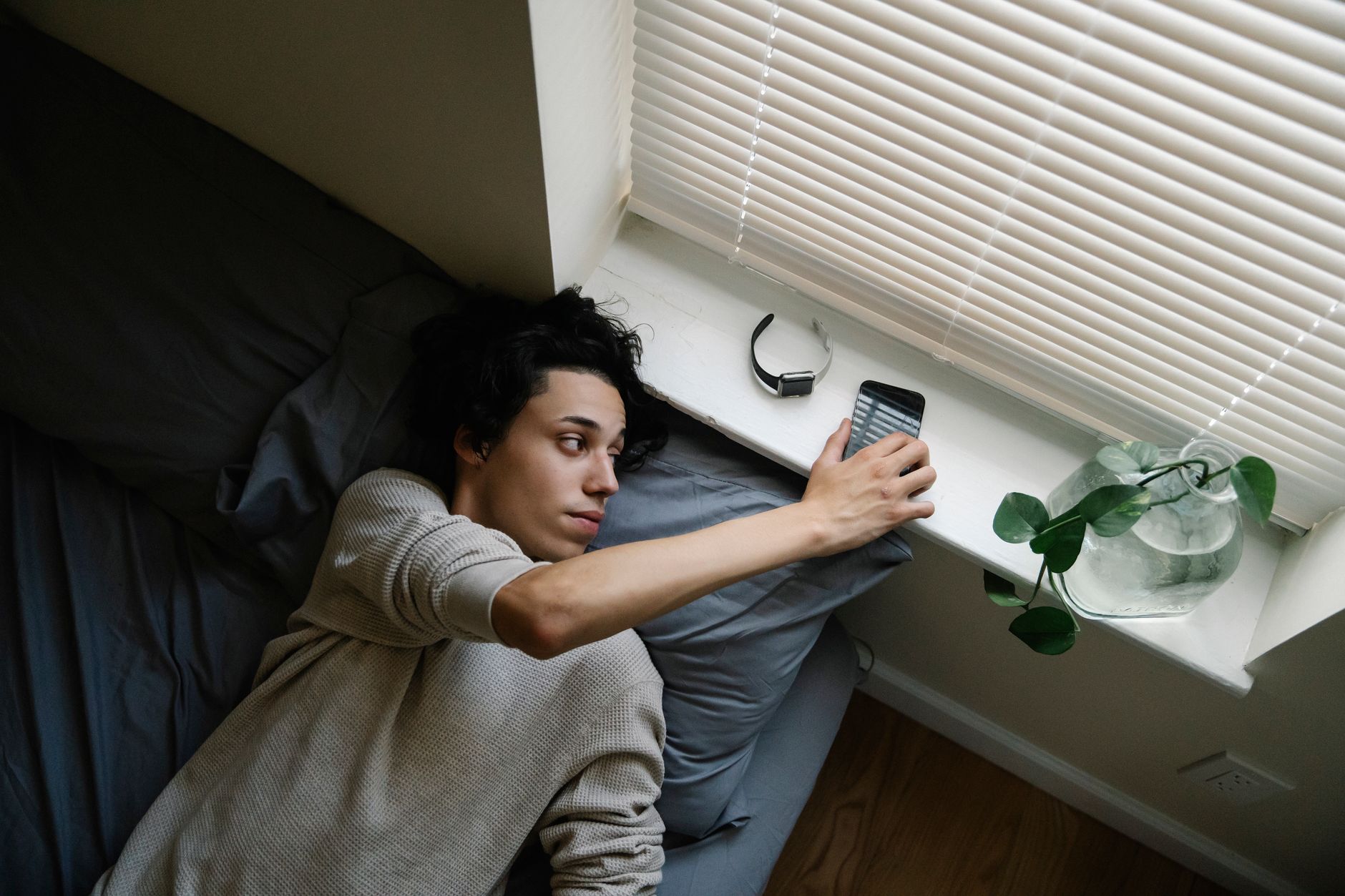
Dr Erika Penney, president of the Australian Clinical Psychology Association, is blunt about what this does to people.
Adults living at home can feel a sense of failure or anxiety about the future, particularly when they feel they have no other choice.
— Dr Erika Penney, quoted in the Sydney Morning Herald
What lands hardest is “no other choice.” This isn’t about young adults who could afford to leave but prefer the free laundry. It’s about people who have run the numbers honestly and found the door locked. That’s the psychological difference between a strategy and a sentence.
And then there is dating.
I’m not being glib. The logistics of intimacy when your bedroom is 12 square metres and your mum is in the living room watching MAFS are genuinely impossible. Bringing someone home means a negotiation — and not the fun kind. An argument on the phone? Everyone hears the whole thing. Waking up next to someone: everyone knows before you’ve made coffee. The things that make you an adult — sexual privacy, emotional autonomy, the right to have a bad night in your own space — become conditional on someone else’s house rules.
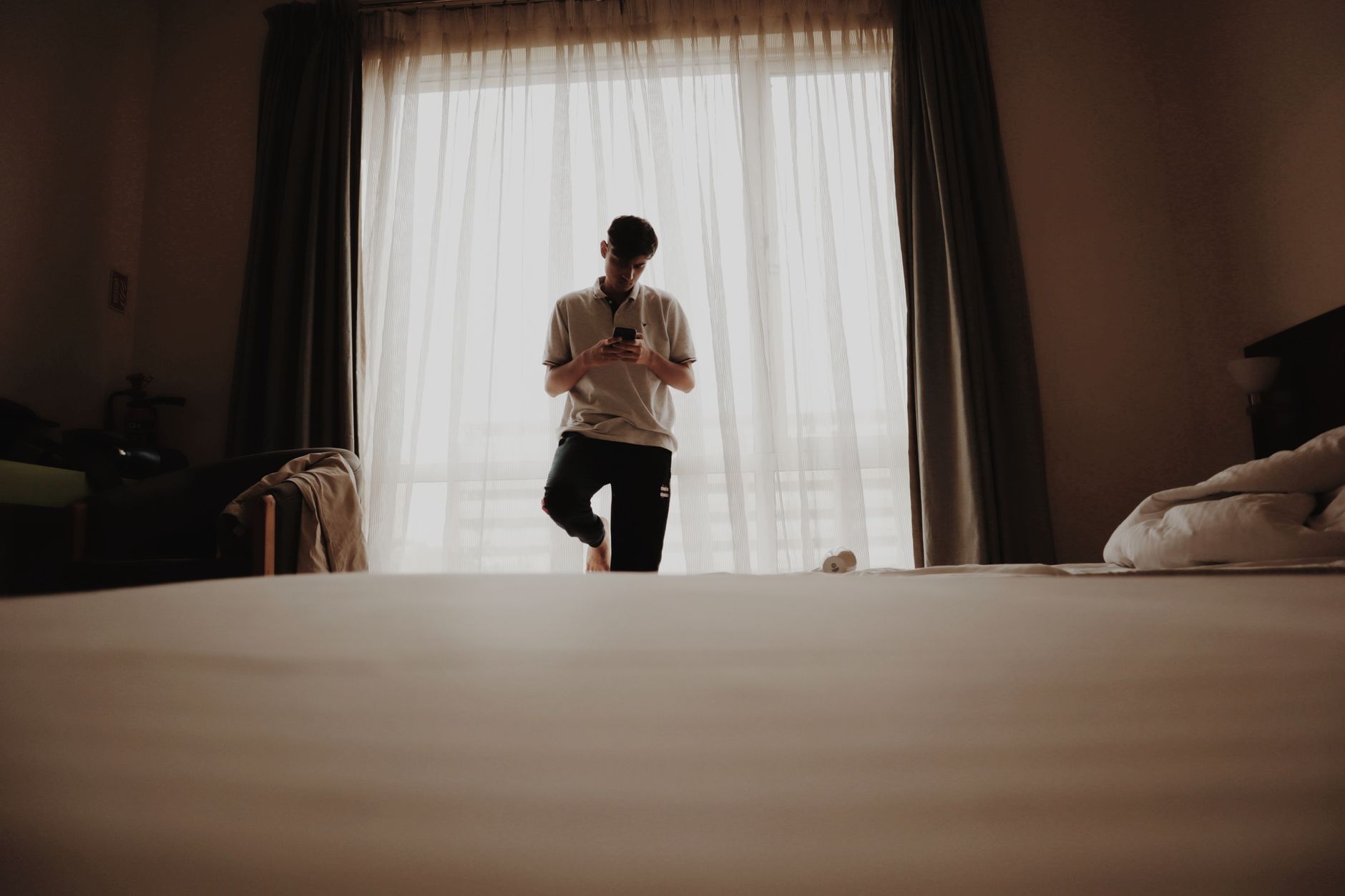
I’ve seen this in the regional communities I cover. Young people in places like Port Pirie or Murray Bridge, where rental stock is thin and wages are thinner, describing relationships that stalled not because the feelings weren’t there but because there was nowhere for them to go. A car becomes a confessional. Park benches double as living rooms. You learn to be intimate in borrowed places, and eventually you stop trying.
None of this is to say multigenerational living is inherently harmful. Penney herself is careful on this point.
Context matters. Mental health may not be impacted when living with parents is a conscious choice which may provide greater future freedoms, such as saving for a house deposit.
— Dr Erika Penney, quoted in the Sydney Morning Herald
Plenty of cultures organise family life across three generations as a matter of course, without any of the Anglo-Australian hand-wringing about “failure to launch.” The difference, I reckon, is structure and consent. A multigenerational household designed around shared space and mutual respect is not the same thing as a 28-year-old sleeping in their childhood single bed because the rental market won’t let them sleep anywhere else. One is a cultural pattern. The other is an economic trap wearing the clothes of thrift.
The inequalities inside this are sharp. A medRxiv preprint from earlier this year by Tess Bright and colleagues at the University of Melbourne found that young Australians with disability were half as likely to leave the parental home as their peers without disability. The gap was widest at ages 25 to 29 — precisely the years when independence is meant to be solidifying. If the housing market is tough for a healthy young person on a median income, it is effectively a wall for someone navigating the NDIS and a rental market that doesn’t want to know about physical access.
Here’s the wider, weirder shape of the problem. We have built an economy in which older Australians hold more wealth than at any point in history — boomers control roughly $89.6 trillion in assets in the US alone — while the cohort that followed them can’t afford the front door of a one-bedroom unit. That same Business Insider analysis found that 70 per cent of millennials and Gen Z had borrowed from family for basic expenses. The bank of Mum and Dad isn’t a cute phrase; it’s a structural feature of an economy that has yanked the ladder up and called it a character test.
The money saved at home can still cost you something harder to explain. I don’t know what the policy fix is — I’m a community reporter, not a housing economist — but I do know that when nearly a third of people in their late 20s are living in the bedrooms they grew up in, we are well past the point of calling it a personal choice.
The door still sticks. The latch still clicks. The paint is still the same colour. And somewhere underneath the sensible financial logic — save the rent, build the deposit, be patient — there’s the quieter question: when does my life actually start?

Adelaide community reporter covering regional South Australia, lifestyle migration and the people behind the postcode.
The Lifestyle Desires brief
Style, food, travel and wellbeing — weekly in your inbox.
Subscribe