The trip gets better when your phone gets boring
Phone-free travel works best when you swap apps for a camera, paper map and limited data, then let the first 48 hours pass.
A modern holiday often begins in a slightly dispiriting way. Before the room has come into focus, before the curtain is pulled back on sea or scrub or some hopeful main street you have paid good money to see, a hand is already feeling across the sheets for the phone. Alarm clock, boarding pass, map, camera, weather bureau, restaurant critic, tiny office: the thing does all of it at once. Annoyingly, it is also the quickest route back to everybody else.
Phone-free travel makes its best argument here. Carrying a supercomputer through a holiday means work can leak in at any moment. Lulls turn into admin. A queue becomes email. A train window becomes scroll time. Even the decent instinct to take a photograph can tip, quite fast, into checking how the photo looks on a brighter screen than the sky in front of you.
Then the sceptic’s question arrives. If the point of a holiday is to come back changed, what exactly survives once the suitcase is unpacked and the notifications flood back in? In The Conversation, tourism researcher Wenjie Cai argues that digital-free travel can improve wellbeing, but the first phase is often awkward, twitchy and a little bleak. It matters because the fantasy of unplugging is lovely; the lived opening minutes can feel more like withdrawal than liberation.
That is why the most convincing version of a digital detox is not the purist one. Better to think of it as friction by design. In a Guardian feature built over four months across five cities, Prakhar Khanna makes a practical case for replacing apps with objects that do one thing only. A camera takes pictures. A watch tells the time. A journal keeps the day’s shape. A limited-data plan is there for safety, not for boredom. Less romantic than tossing your handset into the sea. More believable, too.
The first bad hour
The first bad hour is usually the truth-telling one. In a Business Insider account of a no-WiFi solo train trip, the fantasy of serene disconnection collided with ordinary life almost immediately: a house negotiation, a sick child, the sort of domestic noise that does not pause because your out-of-office is on. Useful, that context. Plenty of digital detox rhetoric is sold with pine-scented calm and linen robes, but real travellers do not become pre-industrial monks the moment reception drops. They just notice, sharply, how often the phone has been filling the gaps.

Martin Dunford, founder of Cool Places, put it more bluntly in Kansas City Star’s reporting on no-phone retreats:
Guests go stir crazy in the first 24 hours. But after 48 hours they are well adjusted and start getting into other activities.
— Martin Dunford, Kansas City Star
By the 48-hour mark, the question looks less mystical and more practical. What changes first is not enlightenment. It is tolerance. That itch to reach, check, refresh and skim does not vanish because the view is prettier. Instead it weakens because the habit stops being frictionless. Boredom has to sit in the room for a bit. So does uncertainty. Then, if the accounts from unplugged properties and travellers are to be believed, something gentler arrives behind it: attention.
Friction on purpose
Khanna’s Guardian piece is useful precisely because it is not mystical about this. He swaps his phone camera for a Ricoh GR IV, timekeeping for a Casio AE1200WH Digital Watch, everyday notes for Off the Grid - a prompted travel journal, and some of the usual phone-bulk for an Orbitkey Travel Sling (3L). None of these objects is radical. Their value is that they are a bit annoying, in the old-fashioned way. You cannot accidentally answer a Slack message on a camera. You cannot spiral from the weather app into three reels and a restaurant list on a paper journal.
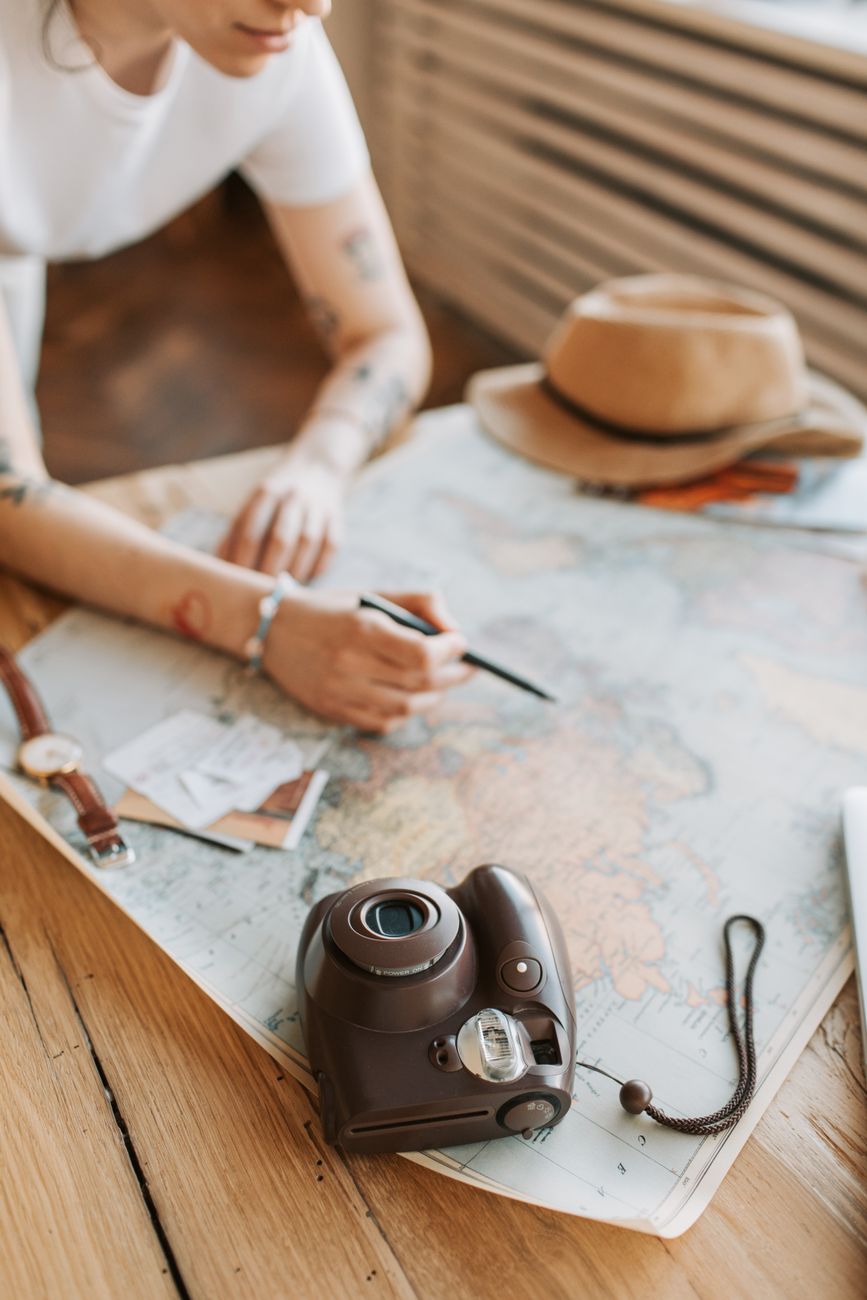
Underneath it is a design problem, not a moral one. We tend to talk about phones as if the problem is moral weakness, as if a better traveller would simply resist temptation. Maybe the simpler reading is that the device is too competent. It does everything, beautifully, with no pause between one function and the next. Dedicated tools reintroduce the pause. Suddenly the brain has time to decide whether it actually needs the next thing.
In practice, the best versions of phone-free travel are partial, not purist. A CNBC experiment with flip phones found that ditching the smartphone entirely was harder than the fantasy suggests. Safety matters. Coordination matters. Sometimes you do need the booking confirmation now. Khanna’s compromise, pairing analogue tools with a Saily eSIM and deliberately limited data, feels more adult than the grand gesture. Enough connectivity to get back to the hotel. Not enough to disappear into TikTok while standing in front of the harbour.
Seen that way, the in-between state also fits the emotional arc Cai describes in The Conversation. One participant in her cited research admitted the nerves up front:
To be honest, two days before the trip I was a little bit nervous about it.
— Study participant, The Conversation
I like that line because it refuses the false serenity of wellness marketing. Of course they were nervous. Being reachable has come to feel like being responsible. A partial detox respects that feeling without letting it run the whole itinerary.
What remembers for you
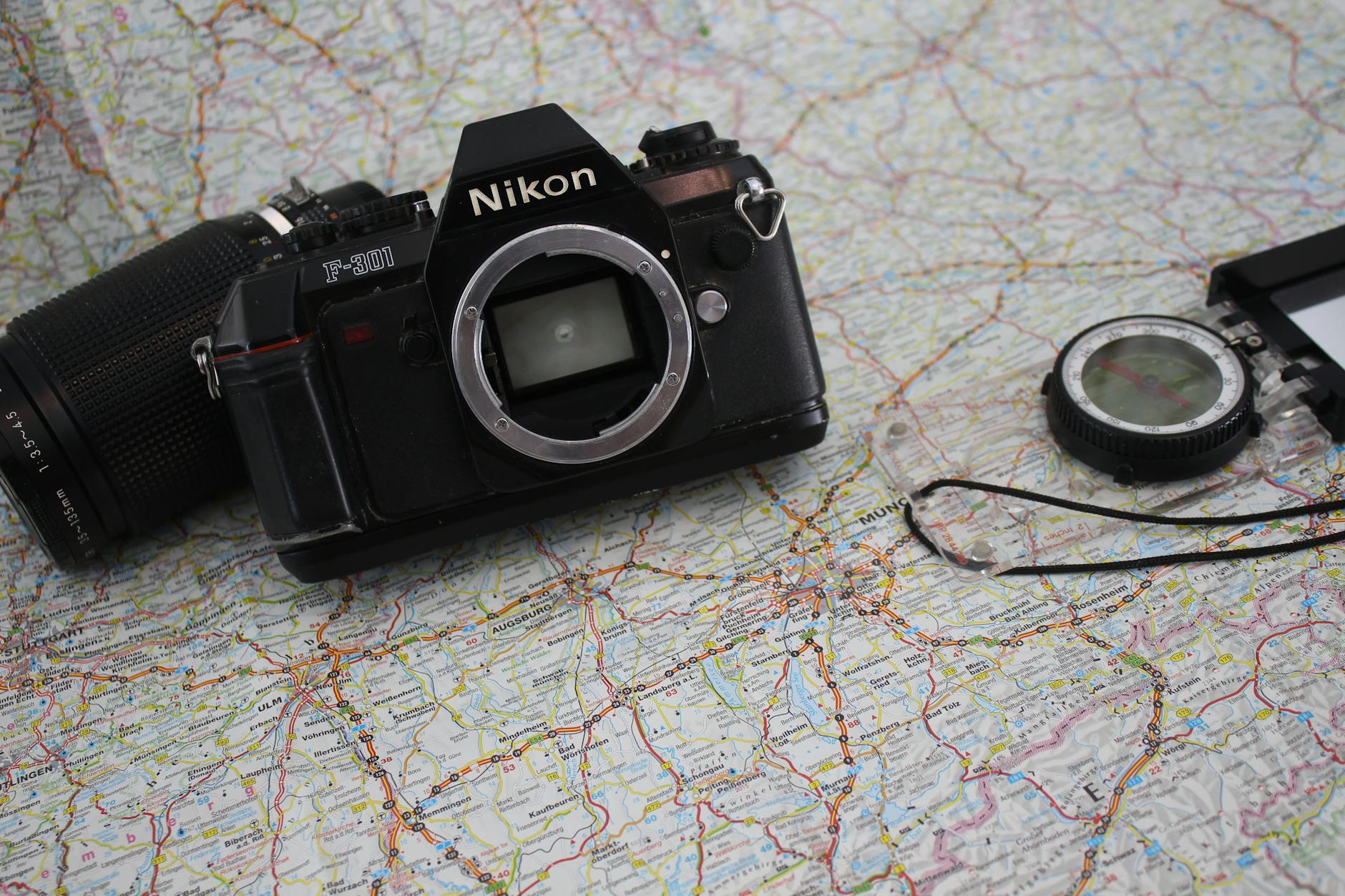
Memory changes too, once other objects take over the work. The phone flattens a trip into a single glossy interface. Map, camera and diary split it back out. One route is something you trace with a finger. One photograph is something you decide to spend. A night’s worth of impressions gets written down before it vanishes into the blur between dinner and check-out.

More than the usual anti-screen moralising, this is the part that interests me. When a traveller carries a Ricoh GR IV or even an old compact instead of defaulting to the phone, the number of images usually drops while the intention behind each frame goes up. You look longer. You wait a beat. You notice the washed tin roof, the service-station pie warmer, the odd pink of late light on motel brick. Narrower tool, wider attention.
Paper does something else. A prompted notebook like Off the Grid is, on one level, just stationery with a better pitch. On another, it restores the sort of low-stakes noticing that phones are terrible at. You write down the pub name, the long gravel turn-off, the radio song that was playing when the weather changed. None of it is major. That is the point. Holidays are often remembered through tiny, useless specifics, and the handset is too efficient to linger over them.
Cai’s scepticism still matters here. In The Conversation and a related BMC Public Health paper, she and co-authors are careful not to oversell digital-free tourism as a permanent cure for overuse. Maybe the calm does not last once ordinary life resumes. The more convincing claim is smaller. A phone-light holiday can function as rehearsal. Travellers get to notice which digital habits are about genuine need and which are only muscle memory in nicer clothes. Not a cure-all. Still a decent start.
The luxury of being unreachable
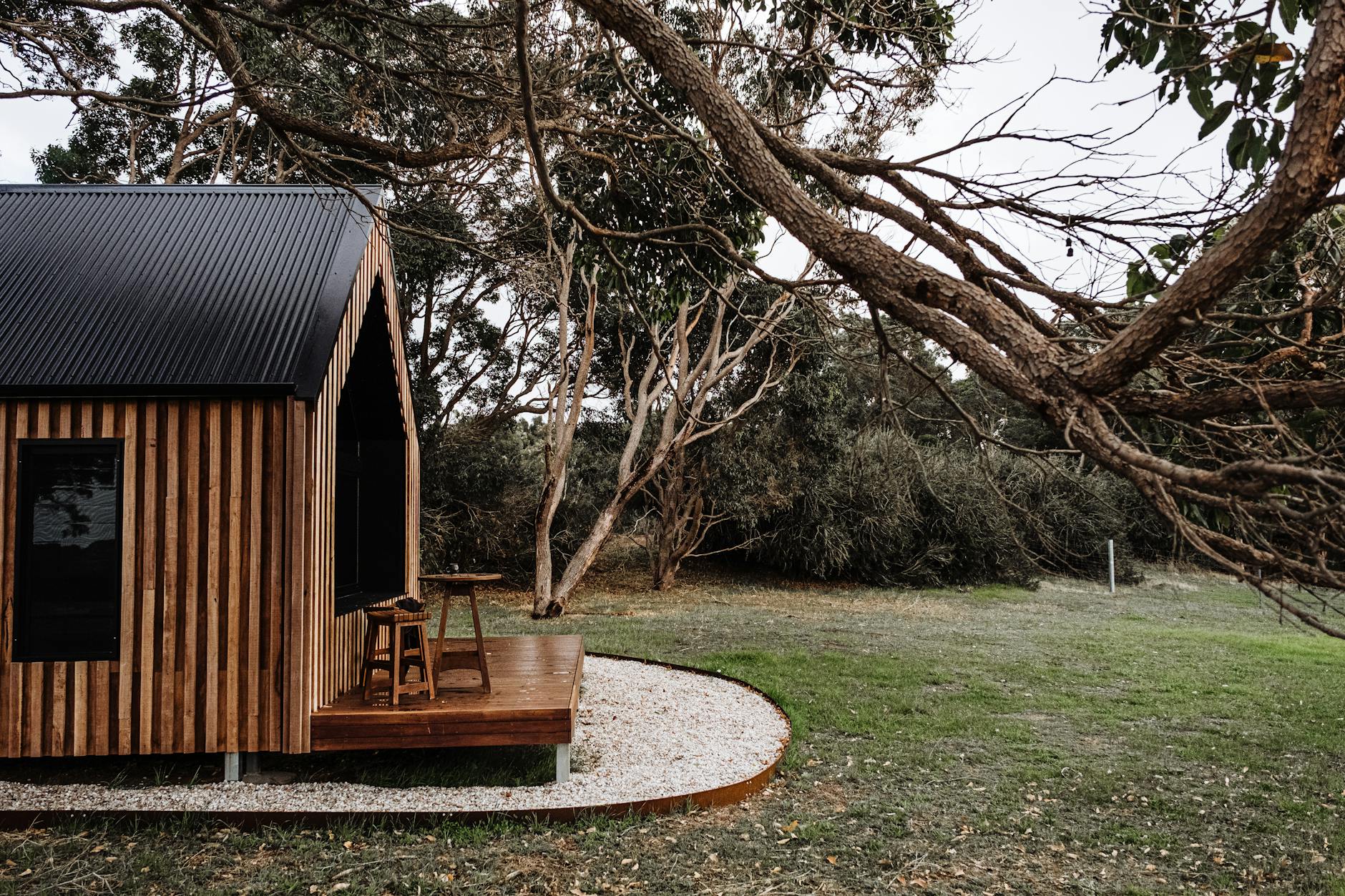
Then there is the market version of all this. Hospitality operators are now selling disconnection back to us as an amenity. The no-WiFi cabin, the lockbox at check-in, the shelf of board games and fat paperbacks, the promise of patchy reception recast as a virtue: this is no longer fringe behaviour. It is a category. In some corners of travel, being unreachable has become a status marker, something close to the new minibar.

Not fake, exactly. The market has simply noticed a real appetite. Dunford’s account of guests settling after the first 48 hours suggests disconnection works best when it is scaffolded, not merely imposed. Comfortable beds help. Decent food helps. So do walks, books, swims, conversation, a fire somebody else has already lit — anything that makes the alternative world legible. From an operator’s point of view, that is less spiritually lofty than it sounds. If you want people off their phones, you have to give them something textured enough to replace them.
The instinct reaches beyond travel too. Homes to Love has framed analogue living as a small domestic luxury, while The Atlantic has written about the broader hunger to slow attention down rather than keep optimising it. Holidays simply make the argument easier to hear. Away from routine, people can feel the drag of the device more clearly. They can also feel, sometimes uncomfortably, how much of modern competence has been outsourced to it.
That is the best lesson in all of this. Not that everybody needs an expensive camera and a watch with 31 time zones. Trips improve when the phone stops being the default answer to every slight uncertainty. Use the map. Ask the local. Get a bit lost on purpose. Buy the eSIM with too little data. Let the silence be mildly annoying before it becomes useful. A good holiday does not need to be pure. It just needs enough friction that the world in front of you starts to win again.

The Lifestyle Desires brief
Style, food, travel and wellbeing — weekly in your inbox.
Subscribe