The boyfriend application is funny until it isn't
Boyfriend application humour is exposing a dating app safety gap, with 264 responses showing how much unpaid screening women still do.
I laughed when I first read Mamamia’s report on Melbourne comedian Celeste Joan’s boyfriend application. Of course I did. Two hundred and sixty-four men filled out a form. It was shut after three days. Five dates came out of it. As internet theatre, it is almost too neat.
Then the laugh curdled. The joke lands because most women already know the setup. Before a first date there is often a second shift nobody admits to wanting: checking for inconsistencies, scanning for temper, asking the question that makes you feel slightly unhinged, then asking it anyway because you would rather feel awkward on your couch than unsafe in a wine bar. What stayed with me in Joan’s story was not the gimmick. It was the admin humming underneath it.
Plenty of women would have recognised that part straight away. Not just the romantic fatigue, though there is plenty of that. Also the feeling that the big dating apps are built for motion, not calm. They keep people circulating. They are much shakier on the part where you are supposed to feel safe. Which is why BBC Business’s reporting on new verification-heavy dating services reads less like a quirky offshoot than a correction arriving late.
The admin before the date
Joan said she made the form after feeling she was wasting time on the wrong people, and I have not really stopped thinking about that line. It is brutally current. So much of heterosexual dating now feels like unpaid compliance work. You are not only wondering whether someone is funny or attractive or capable of holding a thought through dessert. You are trying to work out whether they are safe, whether they are truthful, whether they are going to turn your Friday night into the sort of story you later tell your friends with your shoulders near your ears.

What a boyfriend application does is make that labour visible. Joan was not inventing some wild new ritual. She was formalising one that already exists in scraps: the group-chat screenshot, the quick reverse-image search, the friend who wants the venue pinned, the small but telling question about how a person spends a Sunday, talks about an ex, or reacts to the word no. In the same Mamamia piece, Joan said about 5 percent of applicants disclosed a criminal record and 15 percent said they did not drive or own a car. Those are not automatic deal-breakers. They are the sort of facts women end up sorting through because the apps still leave too much unsaid.
“I just felt I was wasting my time with the wrong people.”
Celeste Joan, Mamamia
Calling that paranoia misses the point. In CBC News’s reporting on the hacked women-only dating app Tea, 57 percent of women said online dating was not safe, compared with 41 percent of men. That gap does not feel like a statistical quirk. It feels like the atmosphere. If you are dating men, risk assessment can become so ordinary you almost stop noticing you are doing it.
So no, the boyfriend application does not read to me as cynicism. It reads as compression. Humour is the least embarrassing wrapper for a serious task. Make it a bit, make it pastel, make it something friends can forward with a laugh, and suddenly you can ask the questions that should have been built into the room years ago.
The apps still prefer motion
The more useful question is why women are building these side-door screening systems in the first place. Part of the answer is simple enough: friction is bad for growth until the lack of it becomes impossible to ignore. Fast Company’s reporting on Bumble’s new AI-assisted matching push lays that tension out neatly. The platform wants users to hand over deeper personal detail so the app can recommend more compatible matches, which is another way of saying the old swipe economy is losing its charm.
Trust is the missing thing. One of the sharpest lines in the BBC piece is that some new dating services are happy to decline applicants rather than expose members to bad behaviour. That is why smaller or community-led products keep sounding more credible on trust: they are willing to slow things down. They add gates. They accept that not everyone gets in. Mainstream apps spent years treating less friction as an uncomplicated good.
I might be wrong about this, but I suspect plenty of women are past being dazzled by frictionless anything. Frictionless banking gave us scams. Frictionless food delivery gave us cold chips and a rider map. Frictionless dating gave us the eerie sensation of interviewing strangers at scale, then being told to call it spontaneity. It is not hard to see why Wired’s reporting on privacy-conscious alternatives to Grindr resonates beyond queer dating. People will put up with a little inconvenience if it buys them context, boundaries and a better chance of not feeling duped.
The boyfriend application looks unserious only if you mistake smoothness for romance. Joan’s form is clunky. That is part of the point. It admits that dating now often begins with triage, and triage is never sexy. It is paperwork. It asks whether the person on the other side of the screen can handle being known a little before being trusted a lot.
The whisper network problem
Still, understanding the form does not make the mess disappear. Women-built safety tools can protect, but they can also sprawl. Once you move from a joke form or a private chat into an app, a database or a quasi-public warning network, you inherit a mess of questions about evidence, retaliation, deletion and the very human habit of becoming reckless when a crowd gathers around a story.
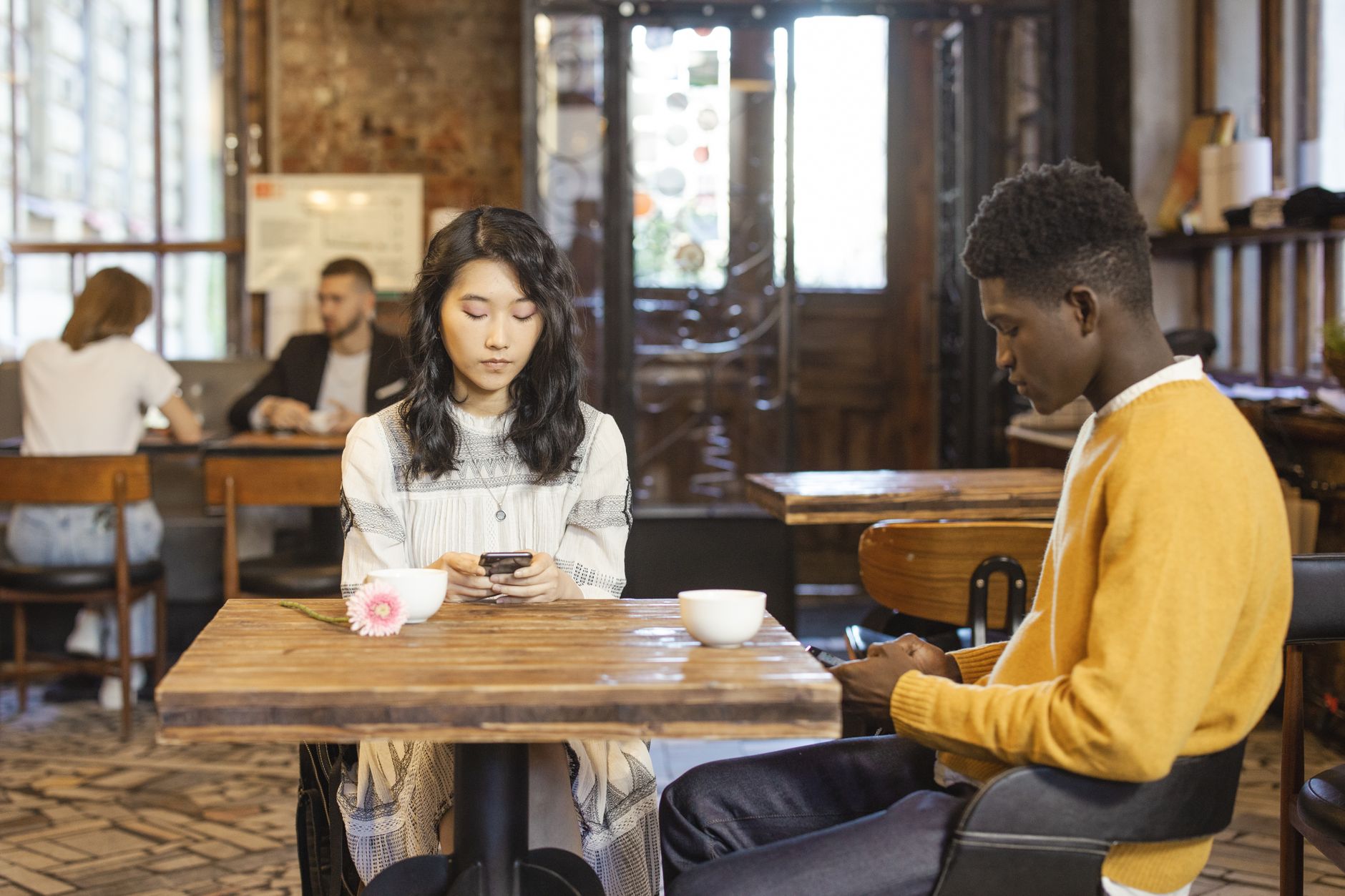
That tension runs straight through the Tea saga. CBC’s reporting makes clear why women kept using the app even after a hack exposed user material: the demand for warning systems is real, and it does not disappear because the infrastructure is wobbly. But the story also shows what happens when private vigilance becomes productised. The data burden grows. So does the fallout when something breaks.
The legal anxiety is real as well. 404 Media’s reporting on the lawsuit around an Are We Dating the Same Guy group is not just about one chaotic case. It is about the brittle line between community protection and reputational harm once posts, screenshots and accusations start moving at platform speed. The question is not whether women should warn each other. Of course they should. The question is what rules, if any, might make those warnings safer for everyone involved.
This is also where the boyfriend application differs from the darker edges of dating surveillance. Joan’s form is consensual. Men volunteered the information. The tone stayed comic enough to keep the power dynamic legible. Nobody was being secretly uploaded into a database and judged by rumour. That distinction matters. It is the difference between asking someone to declare themselves and appointing the internet as a shadow court.
A joke is still a document
What I keep coming back to is how Australian the whole thing feels. Not in some chest-beating way. More socially than that. We are often happiest saying the sharpest truth sideways, with a laugh, from the safety of a joke. A boyfriend application lets a woman say: I am tired, I am screening harder, I do not want to waste another month on someone who thinks basic honesty is optional. Because it arrives dressed as comedy, people listen long enough to notice the bruise underneath.

The timing matters too. CNBC has been reporting on so-called date-flation, with rising costs pushing people to go on fewer dates or cheaper ones. Guardian Life recently argued that female independence is still welcomed only up to the point it changes relationship economics. Put those stories beside Joan’s form and the same pattern appears: romance is being negotiated through logistics, budgets, self-protection and fatigue as much as chemistry.
“The dating apps aren’t asking the right questions.”
Celeste Joan, Mamamia
That, to me, is the whole thing. Not whether a Google form is a clever way to find a boyfriend. It probably is, for a week. The deeper point is that women keep building parallel systems because the official ones still dodge the hardest part. They can serve up a face, a joke, a vague taste in music, an appetite for tacos. They are still much less reliable at answering the questions that decide whether leaving the house feels exciting or exhausting.
I do not think the future of dating is literally applications and spreadsheets. I hope not. But I do think the boyfriend application has landed because it says something many women have been trying to say in softer language for years: if modern dating requires this much vetting, the problem is not that women are becoming too fussy. The problem is that the apps have normalised too much uncertainty, then asked us to call it fun.

The Lifestyle Desires brief
Style, food, travel and wellbeing — weekly in your inbox.
Subscribe