A wool mattress and the sleep story it sells
A wool mattress can sleep cooler and drier than synthetics, but after the novelty fades, the real question is whether that comfort is worth the price.
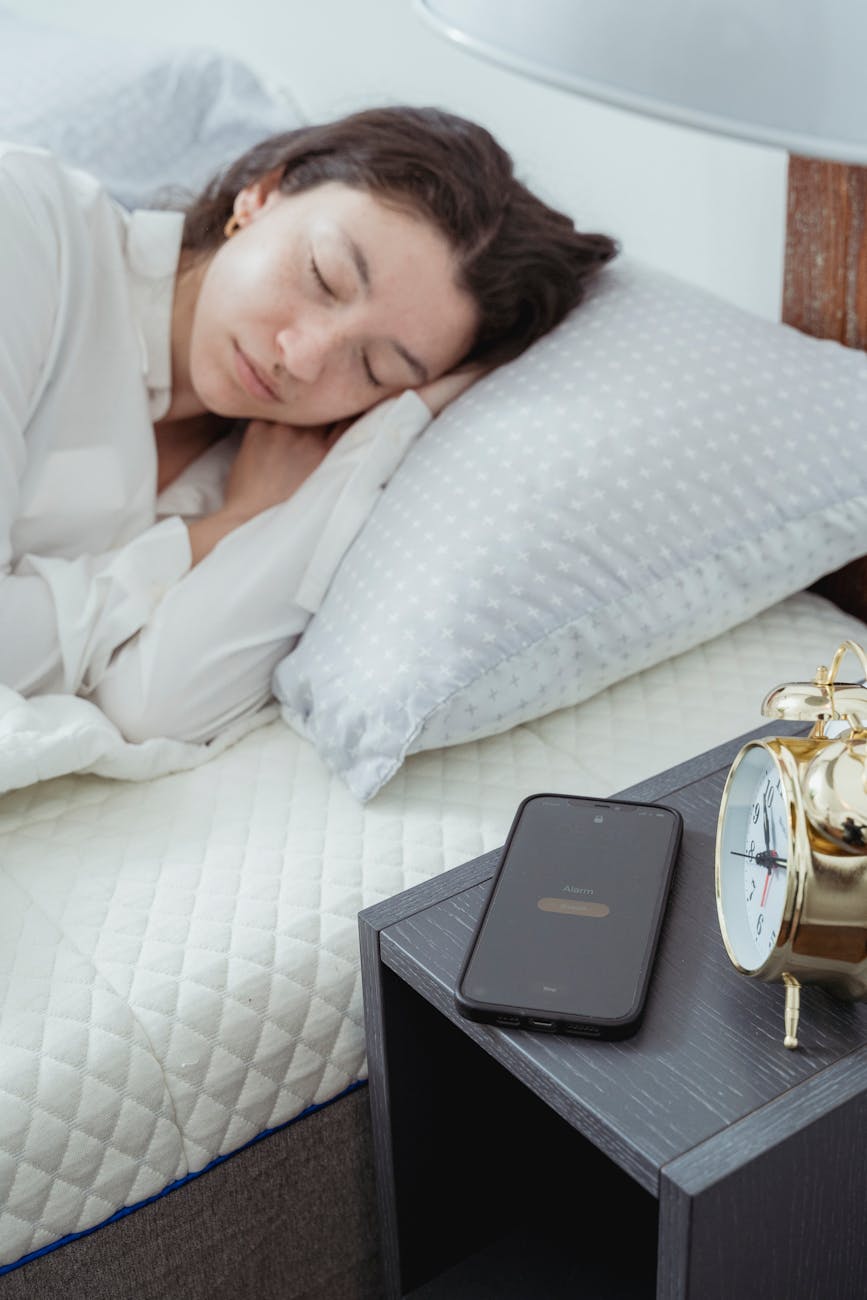
Saying a mattress might change your life feels almost indecent. We will cheerfully confess to a new serum, a walking habit, even a magnesium powder that tastes faintly of chalk. A mattress, though? That belongs to a deeper category of need. Suddenly the night is a project. Suddenly you are bargaining with 3am.
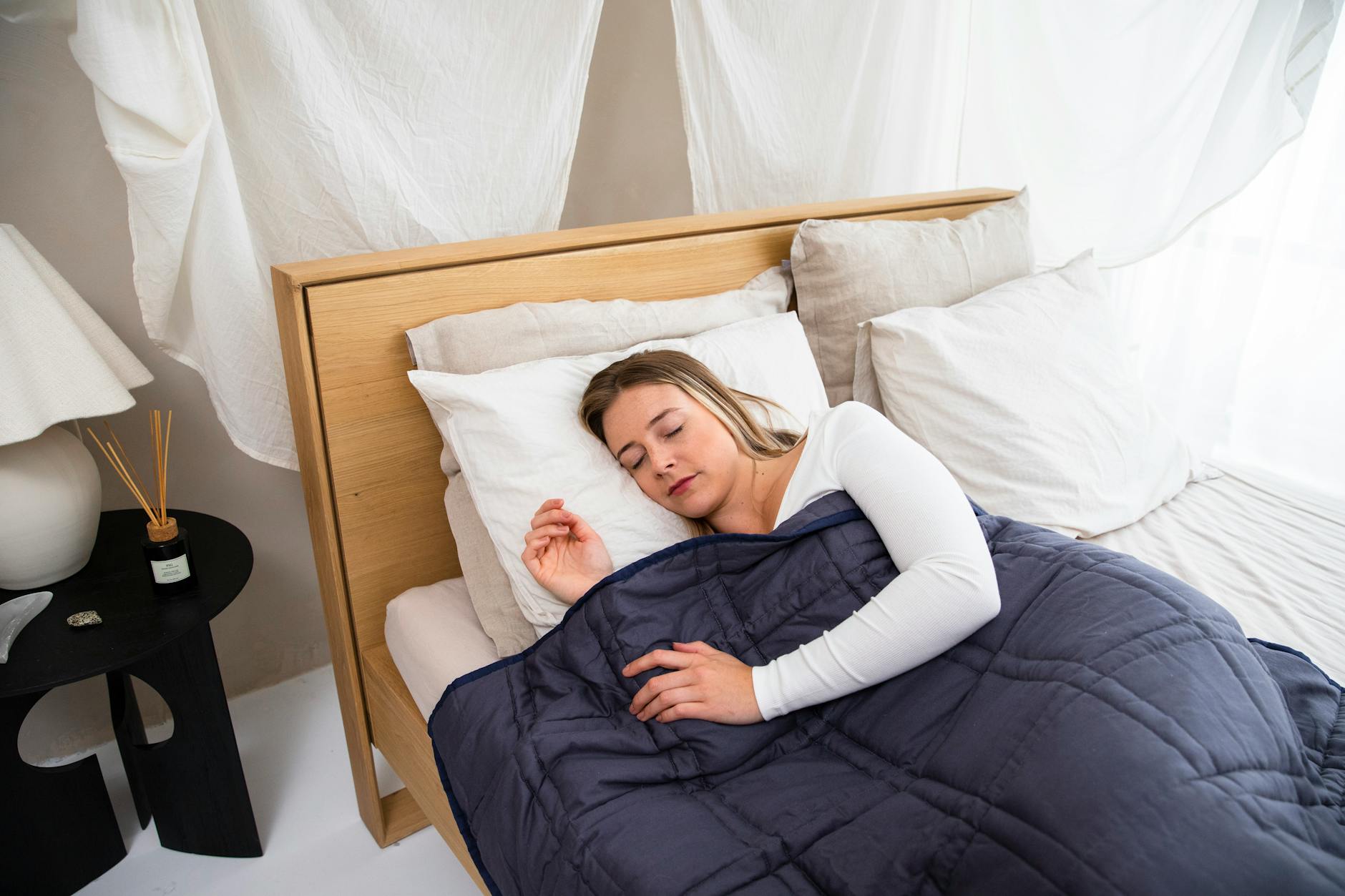
What caught me in Jane Hoskyn’s Guardian review of the Standen Wool Mattress was not really the price, though the price certainly hangs around. It was the bodily relief in her description of a pocket-sprung natural-fibre bed she lived with for five months. In her telling, the mattress stayed breathable through summer, held its shape and made ordinary sleep sound faintly luxurious.
“Its impact on my sleep has been miraculous.”
Jane Hoskyn, The Guardian
Almost immediately, the sceptical question barges in. If a double costs £2,219, and the emperor size stretches to £4,089, are we really talking about wool, or about the old luxury trick of making an expensive object feel morally cleaner than it is? Somewhere along the way mattress marketing became its own little genre. Everybody promises cooler nights, cleaner materials, less motion transfer, more restoration. Last week, WIRED was already steering readers through Memorial Day mattress deals. Earlier this year, the Guardian’s broader mattress roundup tested a dozen contenders because the category is packed with near-identical claims. Nice copy is not enough.
To me, that is why the material matters more than the branding. Wool is not really being sold as a miracle cure. More modestly, it is being sold as a way to change the climate immediately around your sleeping body. Smaller claim. Easier to believe.
The first hot hour
Wool makes its best case when you strip away the romance and talk about heat. Not ambience. Not wellness as a mood board. Heat, moisture, the faintly maddening feeling of waking because your bed has gone clammy underneath you.

Boring research can be oddly reassuring. A systematic review of sleepwear and bedding fibre types found that wool’s edge appears most clearly in thermal comfort and moisture management, particularly in warmer conditions. In a University of Sydney-linked study on sleep in warm ambient conditions, older participants fell asleep 12.4 minutes faster in wool sleepwear than in cotton or polyester. None of that means wool magically fixes insomnia. It does suggest that if your sleep comes apart because you run hot, sweat easily or keep kicking a leg out from under the doona, fibre choice may matter more than most sleep advice admits.
Crucially, that is the part Woolroom gets right. The company describes wool as naturally temperature regulating and builds the Standen with British wool, cotton and 1,400 calico-encased pocket springs in the king size. Real bodies at 2:17am are messier than marketing copy, but here the theory lines up with what Hoskyn described after months rather than minutes on the bed: less stuffiness, less overnight overheating, less sense of sleeping on something vaguely plastic.
“Nature’s temperature regulators.”
Jane Hoskyn, The Guardian
For hot sleepers, that phrase is not nothing. More to the point, it explains why wool keeps resurfacing in this conversation even when the product itself lives at the luxury end. People do not spend thousands on a mattress because they want a rustic fantasy. They do it because they are tired. Because their shoulders ache. Because the body starts conducting tiny nightly negotiations the rest of life never quite lets you recover from.
Australia has done more of the homework than you might think
From an Australian angle, the wool case is more interesting than it first appears. Some of the better evidence on fibre and sleep has local fingerprints all over it.

Chin Moi Chow of the University of Sydney appears on the warm-ambient sleepwear study and the broader systematic review. Elsewhere in that same research trail, Angus Ireland turns up with Australian Wool Innovation and Woolmark. Another paper in SAGE Journals on mattress cushion materials and sleep quality looked at how different surfaces affect interface temperature and pre-sleep thermal state. Obviously, none of this proves that one premium wool mattress will transform every body that lies on it. It does answer a useful question: why does wool keep resurfacing in Australian sleep studies? Because researchers here have actually tested its thermal behaviour instead of repeating folklore about natural fibres and hoping nobody asks for the data.
For that reason, the category feels more grounded. Not less commercial, exactly. Just less mystical.
Even the strongest version of the wool argument is a narrow one. Wool seems especially plausible for sleepers who struggle with heat build-up, dampness or the kind of low-level restlessness that comes from never quite landing at a comfortable temperature. Want cloud-like sink, hotel-bed plushness or a direct answer to chronic pain? The evidence is thinner there. Body shape, sleeping position, room temperature, partner movement and plain preference all get a vote.
Part of the problem is language. Premium sleep products love to borrow the language of medicine when what they are really selling is environmental control. I do not think that is fraudulent. Still, it needs plain English.
Luxury, yes. Salvation, no.
Here the sceptic earns their keep. The Standen Wool Mattress is expensive, heavy and very clearly not for everyone. In the Guardian review, it stayed supportive and buoyant rather than marshmallow-soft, with about 3cm of centre sinkage under hand weights. Hardly pillow-top decadence. The Independent’s own review landed somewhere similar: the move to wool trades towards breathability, firmness and lower chemical smell, not towards the dramatic sink-in softness some people want from a bed.
Honestly, that is the fairest case for the premium. Not that wool is universally better, but that it is better in a particular way. If you value a drier sleep surface, fewer synthetics and the feeling of sleeping on honest materials rather than foam that arrives with a whiff of showroom chemistry, the price starts to look less silly. If softness per dollar is the goal, cheaper hybrids would probably solve enough of the problem.
Then there is durability, the question people raise once the romance wears off. Woolroom leans hard on natural fillings, layered construction and trial-period reassurance. Fine. A mattress is still one of the few domestic purchases you cannot really judge in an afternoon. Five months, which is what Hoskyn gave this one, tells you more than five minutes on a bright shop floor with your shoes half on.
Oddly, this is the part I find easiest to believe. Not the miracle. The settling. The idea that a bed can feel more convincing after ordinary nights than it does on night one. Good sleep products tend to prove themselves in the absence of drama.
What people are really paying for
A wool mattress is not only a performance object. It is also a reassurance object, maybe even a status object, though nobody likes saying that out loud. Beneath the sales pitch is a story about the household you think you are building: fewer petrochemical smells, more natural tactility, more care taken over the place where your body spends a third of its life.
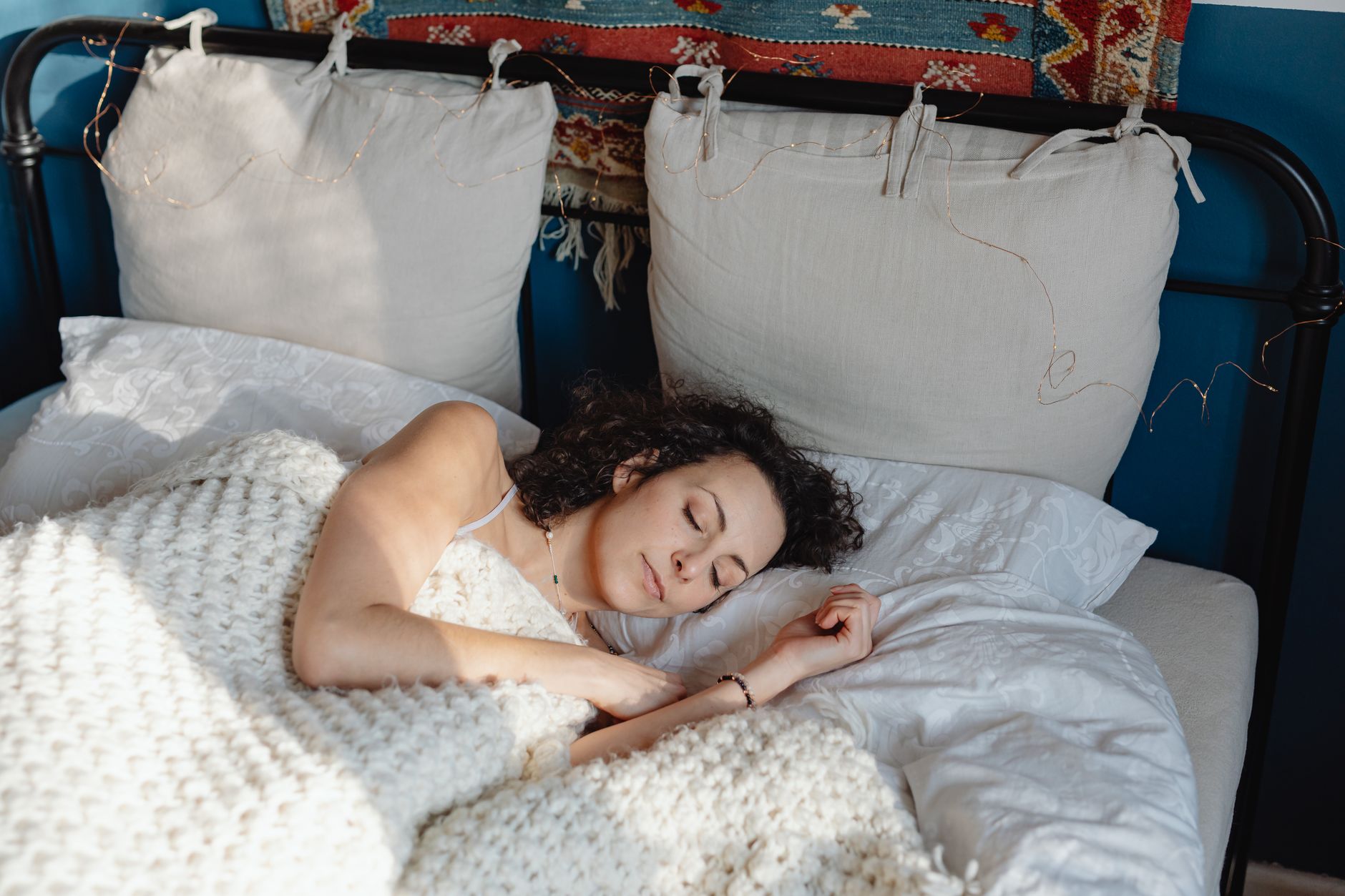
Maybe that appeal is not fake so much as familiar. After a decade of wellness products asking us to measure, optimise and biohack every bodily function, there is something sane about a sleep upgrade that works, if it works, by feeling quieter rather than smarter. No app. No score. No blue-lit dashboard judging your REM. Just a mattress that stays cooler, smells cleaner and maybe makes bedtime feel less adversarial.
“A five-star haystack.”
Jane Hoskyn, The Guardian
Yes, I can see why people talk themselves into that image. I can also see why they keep the receipts. Sleep anxiety has made us unusually susceptible to expensive objects that promise emotional relief as well as physical relief. The wool story sells both. One way to read it is through the analyst’s view: the real gain is thermal control and moisture management, modest but meaningful. Another is the user-affected view, which is more intimate and more persuasive: you stop waking up annoyed at your own bed. The sceptic matters because they drag the missing sentence back into the room. This may be a very nice mattress. It is still a mattress.
My own read is that wool makes the most sense when you treat it as a climate material first and a luxury signifier second. If you are a hot sleeper, if synthetic bedding leaves you sticky, if the texture and smell of your sleep environment matter to you more than the dramatic sink memory-foam devotees chase, then a wool bed has a coherent argument behind it. Not a cure. Not a personality. An argument.
Maybe that is enough. Most adult sleep fixes are smaller than the slogans attached to them. A good mattress does not save your life. It changes the odds of a decent night. Come winter, when the room goes cold while your body still runs warm, that starts to sound like a serious promise.

The Lifestyle Desires brief
Style, food, travel and wellbeing — weekly in your inbox.
Subscribe