North Queensland houses stop fighting the weather
The 2026 North Queensland architecture winners point to a sharper Australian home ideal: less sealed-box glamour, more shade, airflow and climate sense.
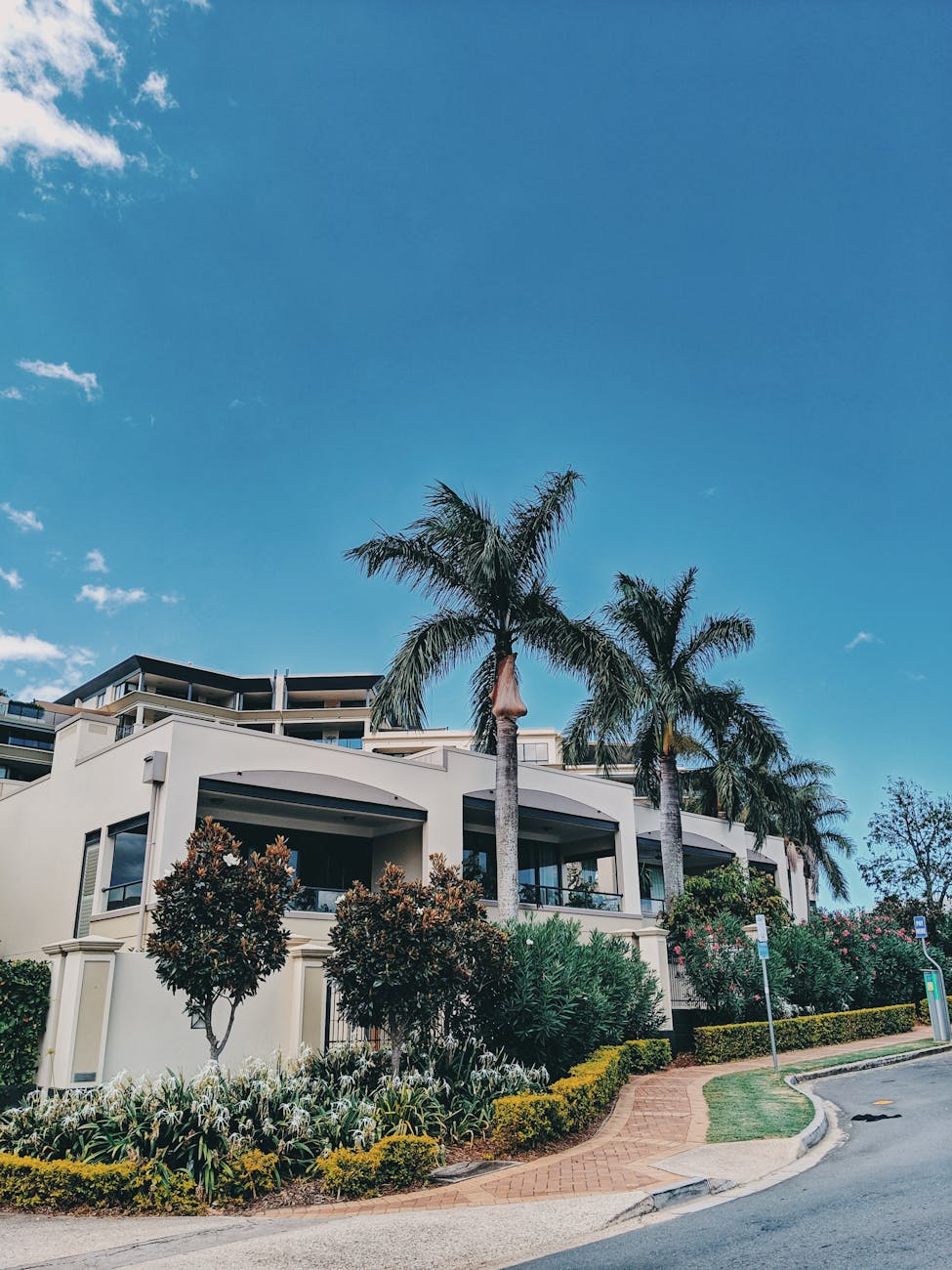
There’s a particular look the best tropical Queensland houses share, and it’s not about impressing anyone. What I notice first, every time, is how little they seem to be fighting. Shaded and composed, rooflines doing the heavy work against the hardest sun, openings placed for air before ego. The whole place carries the calm of a building designed by someone who has actually lived through a wet, sticky February — someone who knows, at a bodily level, what the house is up against. I’ve spent enough years in over-sealed southern interiors, the kind where you can smell the air conditioning before you feel it, to find that mood genuinely seductive. A house doesn’t need to look fragile to look open. The best tropical work seems to know that in its bones.
Trophies aside, that difference is the thing that actually matters.
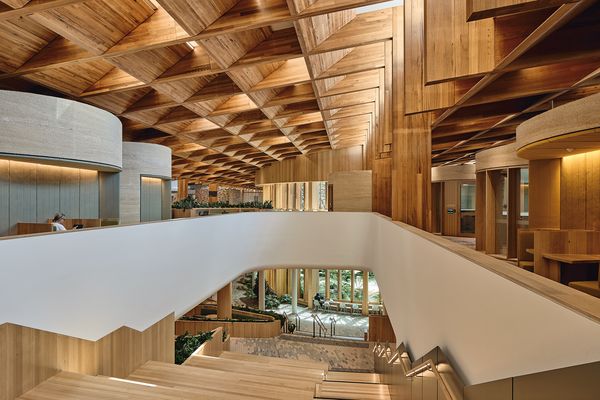
I kept coming back to ArchitectureAu’s report on the 2026 North Queensland Regional Architecture Awards not because I wanted another trade-awards wrap — I promise I don’t think readers spend their weekends memorising jury citations — but because the winners were making a larger argument about Australian domestic life without even trying. Airlie Beach House 1, by Glyde Bautovich Architecture and Urban Design, took North Queensland Building of the Year. Calvary Prep, by Counterpoint Architecture, won Regional Project of the Year. What linked them? Not spectacle. Not sculptural swagger. Heat, light, airflow and the quiet engineering of cyclone resilience. As a set of obsessions for a home, that strikes me as considerably more useful than the old language of dream homes.
North Queensland strips flimsy design ideas of their glamour fast. You can bluff your way through a chilly Melbourne winter with a temperamental old terrace, a wool throw and a forgiving attitude. Bluffing through the tropics is a different proposition. Queensland’s climate-zone guidance isn’t decorative, and YourHome’s Cairns case study spells out the conditions without much sentiment: hot, humid, severe rain, median annual rainfall of 1987 millimetres. Nearly two metres of water falling on the roof each year. Even before you factor in cyclone risk, that’s a landscape where a house has to breathe, shed water and recover its dignity quickly.
You don’t get to fake climate sense for long.
When an awards jury puts a home like Airlie Beach House 1 at the centre of things, I don’t read it as industry applause. It reads, to me, as a small, useful correction to the way Australian housing imagery still behaves. For years the fantasy we’ve been sold is the sealed white box: all glass and frictionless stone, immaculate in a magazine shoot and slightly miserable by three in the afternoon when the sun does what the sun always does. The North Queensland winners sketch a different ambition. A house can still be beautiful, still expensive, still enviable — and still admit that climate isn’t an inconvenience to photoshop out. Because climate is the brief. It tells you where the light turns nasty, where air wants to move, where rain lands hardest, where a family will actually sit at 4pm on a January afternoon. Homes that demonstrate attention draw me in more, these days, than homes that perform control. Different register of luxury entirely.
That sounds technical until you think about what it changes in ordinary life. A climate-smart house isn’t just a better-performing object — it’s a gentler place to occupy. You feel it in the shoulder hours, the ones that decide whether a room gets used or abandoned. Morning light arrives without punishment. A cross-breeze buys you another hour before the air conditioner kicks in. A wet week doesn’t turn the whole house sour. Mould prevention isn’t sexy language — cyclone resilience isn’t either — but both of them sit closer to the truth of domestic comfort than imported stone finishes and impossible walls of glass ever did.
Queensland’s building code is already moving. The state’s residential energy-efficiency standards lifted the baseline for new homes and major renovations to a 7-star equivalent from 1 May 2024. Standards alone don’t produce grace — nobody has ever fallen in love with a compliance document — but they quietly reshape what counts as normal. What I find reassuring about these North Queensland winners is how thoroughly they collapse the distinction between compliant and beautiful. Less punitive. More desirable. The rules aren’t just forcing houses to behave better; good architects are demonstrating that better behaviour produces beauty, ease and a kind of luxury that actually means something.
Calvary Prep matters here because it isn’t a private house. Its win suggests shade, airflow and resilience are civic questions, not just domestic ones. Schools are where children learn, at a bodily level, what comfort feels like. If the buildings they spend their days in are tuned to heat and light rather than fighting them, that stops being an architectural talking point for adults in linen shirts. It becomes part of how a region pictures ordinary life — and what it eventually expects from the homes, apartments and public rooms built around it.
In the tropics, performance is aesthetic. You see it. You feel it.
I suspect readers are tired, too, of houses being pitched as morality plays or tech demos. Most people don’t want to admire a home the way they admire a battery. They want to know how it feels at breakfast. Whether the spare room stays usable in January. Whether the place still looks handsome after a solid week of rain. The appeal of these award-winning projects, at least from where I sit, is that climate response seems to promise more pleasure, not less — just better distributed, more honestly earned.
Southern design culture has been slow to accept this, I think. We’ve treated sustainability as a virtue layer — something applied after the real aesthetic decisions have already been made. Solar later. Better glazing later. Maybe a tank if there’s room. What lands differently in these awards is that climate response sits closer to the bones of the architecture. The house isn’t merely efficient. It’s arranged around living with air movement, filtered light and volatile weather as everyday facts. That arrangement changes the mood of a home. It shapes whether people linger in a room, whether they throw the windows open, whether they spend half the year quietly annoyed by their own expensive living room.
Regional Australian architecture keeps producing the most persuasive ideas for exactly that reason. Fewer places to hide. In a hard climate, materials age honestly or they don’t. Openings have consequences. The relationship between inside and outside can’t be resolved with a fruit bowl and some styling. You either understand the site or you don’t. For someone like me — someone who has always preferred homes that wear in rather than simply photograph well — there’s something deeply reassuring in that. The best houses aren’t chasing timelessness as a mood board. They earn it by being specific: to their weather, their light, the way people actually move through them.
I don’t think every lesson from North Queensland travels south unchanged, and I’d be suspicious of anyone trying to flatten the country into one saintly national vernacular. Climate is local. Taste is local. The way you live at 7am on a Tuesday is local too. But these award winners still sharpen the direction of travel. As Australia gets hotter and standards get tighter, the homes that feel most modern might be the ones that stop performing indifference to place. Less sealed-box glamour, more shade. Less fantasy about conquering the outdoors — more skill in living alongside it. A little humbler. A lot smarter. And, if we’re lucky, much nicer to come home to.

The Lifestyle Desires brief
Style, food, travel and wellbeing — weekly in your inbox.
Subscribe