Bloom skin, the bottles that worked, and the trends I'm not yet sold on
Glass skin had an eight-year run. Bloom is what came next — hydration that sits in the skin, smaller routine, fewer bottles. The toners that did the work for me, the trends I'm not yet sold on, and what the Refinery29 list won't tell you about K-beauty in 2026.

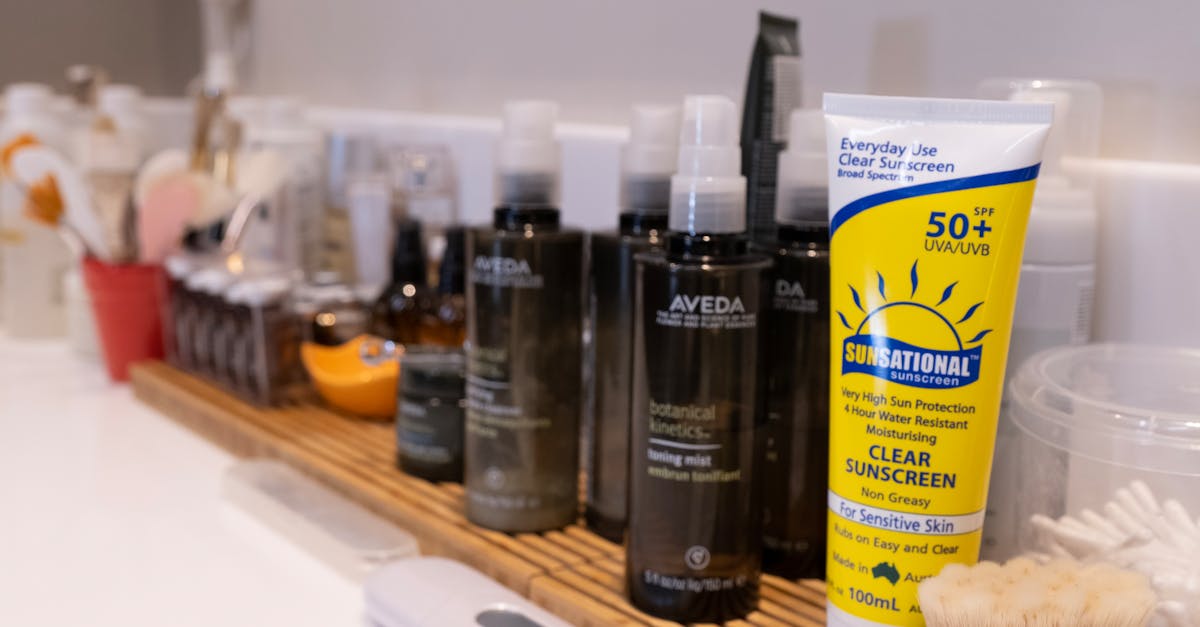
The Sunday count is twelve bottles, and on the floor of the bathroom there is a small bin liner with three more in it. I have been culling. Not aggressively, not on a schedule, just whenever I notice I have not opened a thing in ten days. The good light in the Carlton bathroom lasts about an hour past breakfast, and that is when I do it.
The cull started in February, after a friend in Seocho-dong sent me a video of her face. Not a selfie. A close-up of her cheek in afternoon light. She had given up a five-essence routine some weeks earlier and gone down to two products. Her skin looked, for a word I have stopped reaching for in print but will use here, fed.
I asked her what she had done. PDRN, she said. A peptide overnight. Sunscreen.
The word that came back at me from three other Seoul friends in March was bloom. Bloom skin. The bloom routine. I dismissed it the first time. Glass skin had a long run, eight years since Alicia Yoon coined it at Peach & Lily in 2017, and beauty cycles its language faster than it cycles formulations. Then Refinery29 ran a piece in March, with April Brodie as the sourced facialist, and Brodie said the thing I have been chewing on since. “Start with the essentials: cleanse gently, hydrate deeply, treat intentionally, and protect daily.” I have followed Brodie’s work since her Yongsan-gu clinic, and I had not heard her sound that bored in years. She is right.
So this is a piece about bloom skin and the bottles I keep reaching for, and a paragraph at the end about everything else they want me to write about.
Bloom is glass that grew up. Glass meant a wet, almost translucent finish, the kind of look that photographed beautifully and broke down by Wednesday. Bloom is hydration that sits in the skin instead of on it. Even tone. Light returning off you, not off the last layer of essence. The visual difference is small. The structural difference is that the routine that gets you there is about a third of the size of the routines that came before.
The bottle that did the work, for me, was the Medicube PDRN Pink Cica Soothing Toner. $33 at Adore Beauty. PDRN used to be an injectable, the kind of thing my dermatologist put on a pre-summer plan. Hour-long appointment, mild bruising, no beach for a week. Now it is in a toner. The peer-reviewed evidence on PDRN and fibroblast turnover is, honestly, more solid than the data behind a lot of what is on shelves with it. I am finishing one a month. I have tried Skin1004’s $22.99 Madagascar Centella Toning Toner alongside, and the centella’s job in this routine is the buffering one, calm-skin maintenance the way a good moisturiser used to be. Both are doing what the box says. Neither photographs.
What I added beside the toners is a peptide overnight (Dr.nineteen PoreXsome V.Peptox Jelly, $39.95), which I am also using as a scalp tonic on the days I do not wash my hair, which is more days than I would tell you in person. And on Sundays a $35 Medicube PDRN Pink Collagen Toning Gel pad gets used as a single-session reset. That is the routine. Cleanse, hydrate, peptide, protect. The colour off my face, in the right north light at the right hour, is what Brodie is calling bloom.
What I cut, in case it is useful: two essences whose job was a finish I no longer wanted, a $90 first-step toner whose actives were a quarter of what the box claimed, a face oil I bought because the bottle was pretty, two unmarked samples I cannot name (red flag in itself).
The Refinery29 piece had five other “trends” Brodie was nodding at, and I owe you a paragraph on those. Smart beauty as biotech (yes, this is real, see PDRN above). AI-personalised routines through brand apps (heard the pitch in 2017 with the microbiome, in 2019 with epigenetic skincare, again in 2022 with ceramide-mapping; if it works it will be because the app made the user consistent, not because the AI did anything). Non-invasive in-clinic stuff, the radiofrequency-and-microneedling beat (interesting, I do not personally do any of it). Sustainability and refillable packaging (I want to believe it; the tween skincare playbook tells me to read percentages not promises). Hair and scalp and “holistic care” (the format does change how often I reach for things). The list is what trade journalists call a soft front. Real movement at the back, marketing language at the front.
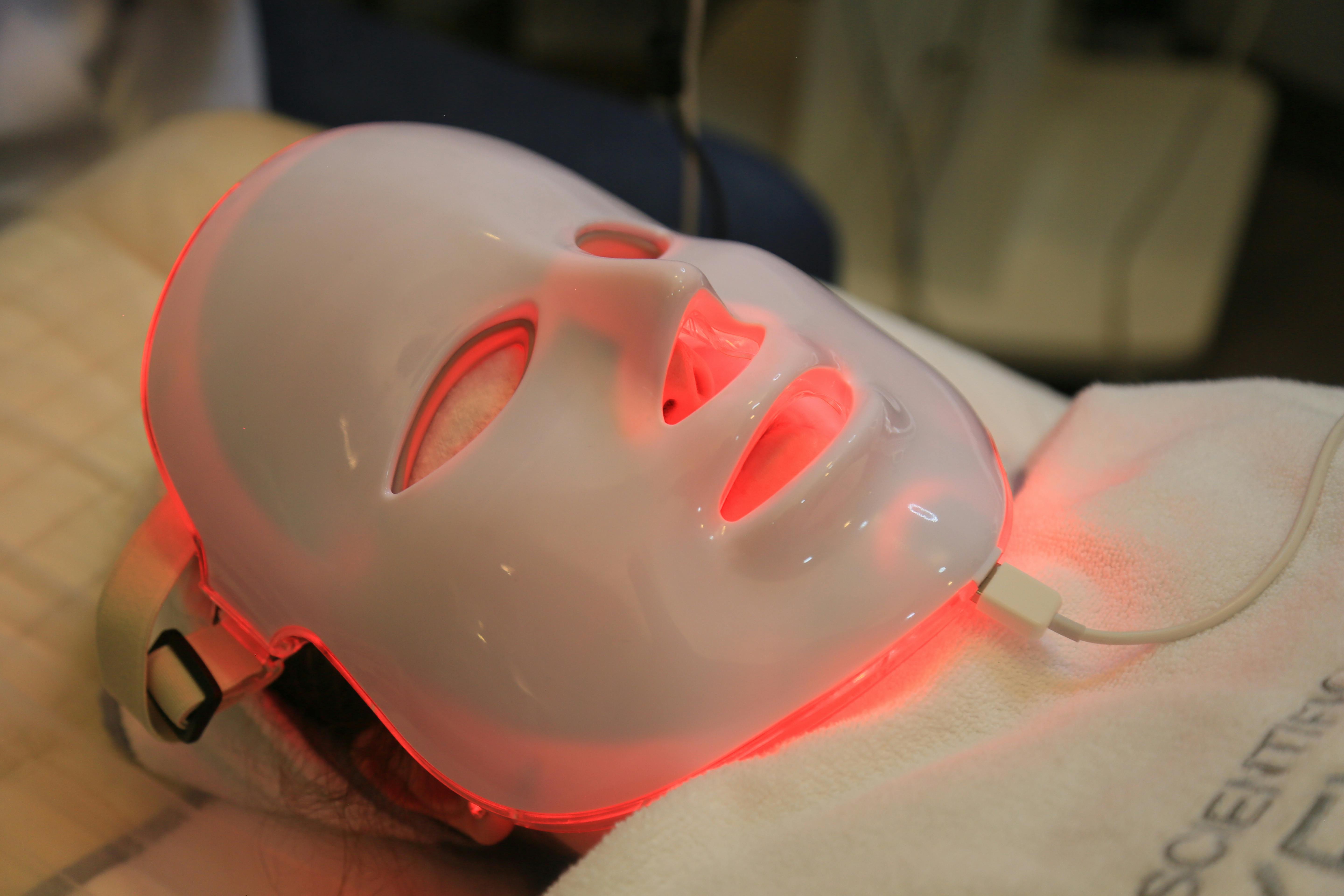
The thing the Refinery29 list will not tell you, and the LED mask piece I wrote last week was getting at, is that the active ingredient in any of this is the part that sounds least technical. Cleanse gently, hydrate deeply, treat intentionally, protect daily. A decade old already. It will outlast the bloom-skin reset, and the one after.
The four bottles on my dresser are doing what the box says, in a colour the front camera does not quite catch and the right friend will not say out loud. Smaller shelf, better skin. I might be wrong about which of these biotech actives survives clinical scrutiny in two years. I am not wrong about the shelf.
Tahlia Park
Melbourne beauty editor and ingredient nerd. Five years on the brand side before turning to writing about what's actually in the bottle.