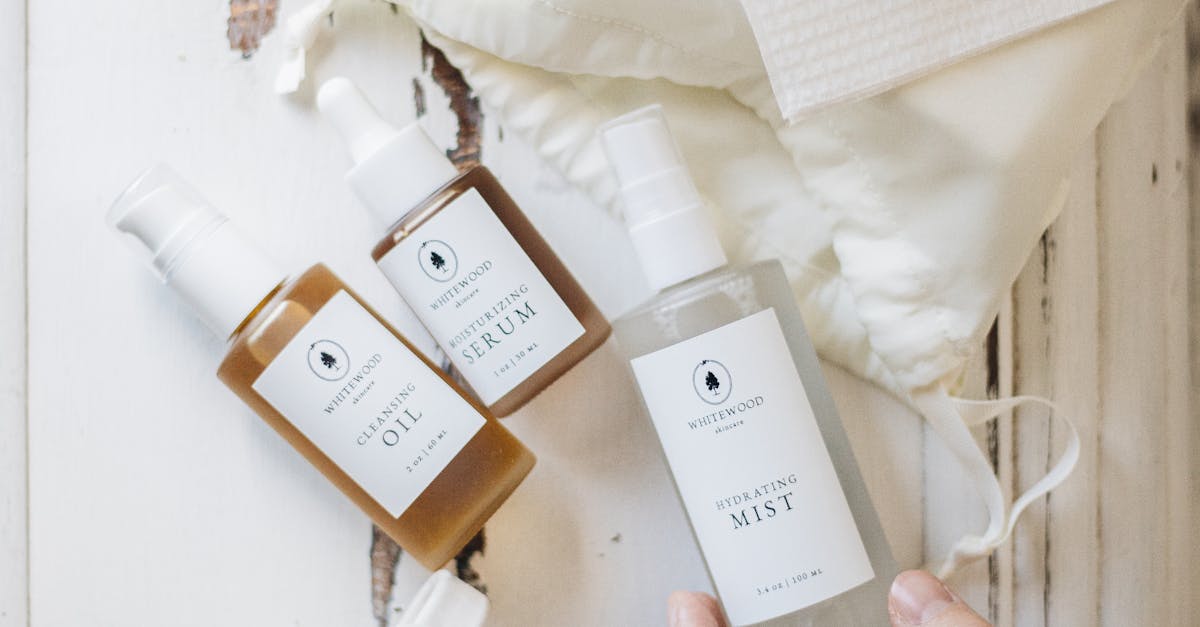
Inside Australia's Clean Beauty Boom — and the $5.7 Billion Question

Australia's clean beauty market is on track to nearly quadruple by 2034, driven by ingredient-literate Gen Z shoppers and a sharp pivot toward Aussie-owned brands. Where the money is moving — and what it means for what's on your bathroom shelf.
Ok so. Five years brand-side before I switched to writing about this stuff, which means I sat through the strategy decks where the word “clean” is studiously not defined. Once you define it, your own range stops qualifying. Easier to leave it vague.
Anyway, walk into Mecca on a Saturday. The makeup wall is busy as ever but the interesting traffic is around the corner. Smaller bottles, ingredients in plain English on the back, mostly Melbourne or Northern Beaches postcodes. That aisle barely existed in 2021.
Forecasts now have it nearly quadrupling by 2034 to about A$5.7 billion. I’m a bit cynical about hockey-stick charts in beauty (we used to draw them for things that died, like balm cleansers in 2019) but this one has actual buyer behaviour underneath it. Women under 35 are flipping the bottle over before they swipe. That’s new.
What “clean” means here, legally
Nothing. The TGA covers therapeutic claims. The ACCC covers misleading marketing. “Clean” lives in the gap and anyone can stick it on a label.
The de facto definition that’s emerged, what the better local brands quietly observe, is roughly four-pronged. Banned-ingredient list, published. Sourcing you can trace. Packaging that isn’t lying about being recyclable. Some kind of third-party testing. Hit three of those four and I’ll keep listening.
The number that actually moved me though was from NielsenIQ’s 2025 pulse: 71% of Australian beauty buyers under 35 had checked an ingredient list against Yuka or INCI Beauty in the prior six months. Over-55s? 12%. The gap is the story, not the headline market size. A whole generation has decided the back of the bottle is more honest than the front, and I find that hard to disagree with.
Who’s actually winning
Not going to do a tidy four-tier breakdown. The market doesn’t sort like that and the four-tier thing is what makes beauty trend pieces feel written by an algorithm.
Aesop, Go-To, Frank Body. The heritage names are doing the least eye-catching work in the category and possibly the smartest. Reformulating long-running products to tighter ingredient lists. Same packaging, no relaunch, no campaign. You’d only notice if you read INCI for fun. Which I do. The restraint is the giveaway. Loyalty’s already there, no need to shout.
Different cohort: Naked Sundays, We Are Feel Good Inc, Bondi Sands’ Pure Self Tan range. TikTok-native, clean built in from day one, ridden user reviews well past their actual marketing budgets. A 19-year-old with a ring light reading INCI off the side of the bottle does more for trust than any influencer seeding deck I ever signed off on. Brand-side me would have hated that. Now I think it’s the best thing that’s happened to retail in a decade.
Indigenous-led labels are the bit I want to be careful about. Bush Medijina out of Groote Eylandt. Kakadu plum work coming out of Alaya. Not in a “supporting local makers” sidebar shelf at the back anymore. At eye level, in main range. That’s a planning decision, not a marketing one, and it’s the difference that matters.
Beauty by Rosh sits at an intersection that frankly didn’t exist when I was on the brand side. Sri Lankan-Australian founder, Rosh Kumarasinghe, just confirmed last week as a dual sponsor at Australian Fashion Week. Inclusivity-led shade range, clinical-clean formulation philosophy, both under one roof. Whether the products land for you personally, fine, debatable. The shelf space existing is the news.
The retailer side
Mecca, Sephora, Adore Beauty all expanded clean ranges through 2025. Clean at Mecca is past 280 SKUs and is reportedly the fastest-growing filter on the loyalty app. Translation, from someone who has sat in too many retailer planning meetings: that filter gets first dibs on next year’s range review, full stop. Adore Beauty’s Q3 2025 result called “clean and natural” the highest-margin sub-category in skincare, and margin is what gets a category protected when budget tightens.
Where it gets genuinely uncomfortable for the mid-tier is the supermarket move. Woolworths’ MyHome and Coles’ Native by Nature both meet most reasonable clean criteria now, at supermarket prices. If you’re a specialist brand sitting in the $35-$60 range without a real point of difference, you are being squeezed from underneath and you may not survive the next 18 months.

Greenwash, which is the part I get angry about
ACCC dropped an updated greenwashing guide for cosmetics in March. Three brands got compliance letters in Q1, all over recycled-content packaging claims they couldn’t substantiate. People I trust expect at least one formal enforcement action this year. I’d put money on it landing on a brand you have heard of.
Bit nobody on the brand side wants written down: “clean,” “natural” and “sustainable” mean essentially nothing on their own. I have sat in the meetings where these words get picked precisely because the legal team can’t object. The shortlist of things that genuinely separate a real brand from a marketing brand is small and unsexy. Published banned-ingredient list. Third-party cert mark (COSMOS, ECOCERT, B Corp, take your pick). Manufacturing location on the box in plain English, not the “made with global ingredients” cop-out. Brand can’t or won’t give you all three, the marketing is doing the heavy lifting.
What I’d actually put on the shelf
A dermatologist I trust gave me a shortlist. I’ll lean hard on one of them, because it’s the one I keep refilling out of my own pocket.
Synergie Skin’s Vitamin B Serum. Not the cheapest niacinamide on the market, no. But the formulation reasoning is the kind I respect. 5% niacinamide rather than the trendier 10% (less flushing risk, perfectly adequate efficacy at that dose), no fragrance, no essential oils smuggled in as “actives,” manufactured in Melbourne at a facility the founder will actually let you tour. Eight months of nightly use over here. The redness around my nose is meaningfully calmer. Barrier hasn’t complained. That’s the bar I’m holding things to.
The rest of the dermatologist’s list, faster: Naked Sundays Glow Mist 50+ for daily SPF (mists count if you reapply enough, and you do not reapply enough). Go-To Bright Side Eye Cream as a basic vitamin C. Bush Medijina Lhambidja Lemongrass Soap for body, which smells better than anything that minimal has any right to.
Last thing. The analysts are circling the same point and they’re more right than they usually are. Australian beauty has crossed some ingredient-literacy threshold there isn’t really a way back from. Brands that grow from here are the ones whose products survive a Yuka scan in a checkout queue. Everyone else is renting time on a clock.
Tahlia Park
Melbourne beauty editor and ingredient nerd. Five years on the brand side before turning to writing about what's actually in the bottle.
You might also like

What's In, What's Out: Australian Interior Design Trends for 2026
The cool grey years are over. Inside the warm, material-led shift defining Australian homes in 2026 — plus the colours, finishes and furniture moves to actually pay attention to as the housing slowdown drives a quiet renovation boom.

Australian Fashion Week Hits 30 With First Nations On the Front Row
Sydney's 30th Australian Fashion Week opens this week with a record First Nations slate, a debut Vogue Vintage Market and a leaner local line-up reflecting a brutal year for AU labels.
Tiny, Off-Grid, Two Nights Max: How Aussies Are Travelling in 2026
The two-week beach holiday is being quietly retired. Airbnb data and Tourism Australia figures both show short, regional, off-grid stays surging — and South Australian tiny cabins now leading the country's most-wishlisted list.