Two Hundred Dollars and a Long Press Conference: Reading Budget 2026
Treasury rang Friday and led with the punchline. The body of the briefing was the $200 offset. The thing under the briefing was a quiet acknowledgment it isn't moving the needle. What Albanese is and isn't announcing on Tuesday.
Right. So the $200 lands on Tuesday and the press conference will be longer than the policy.
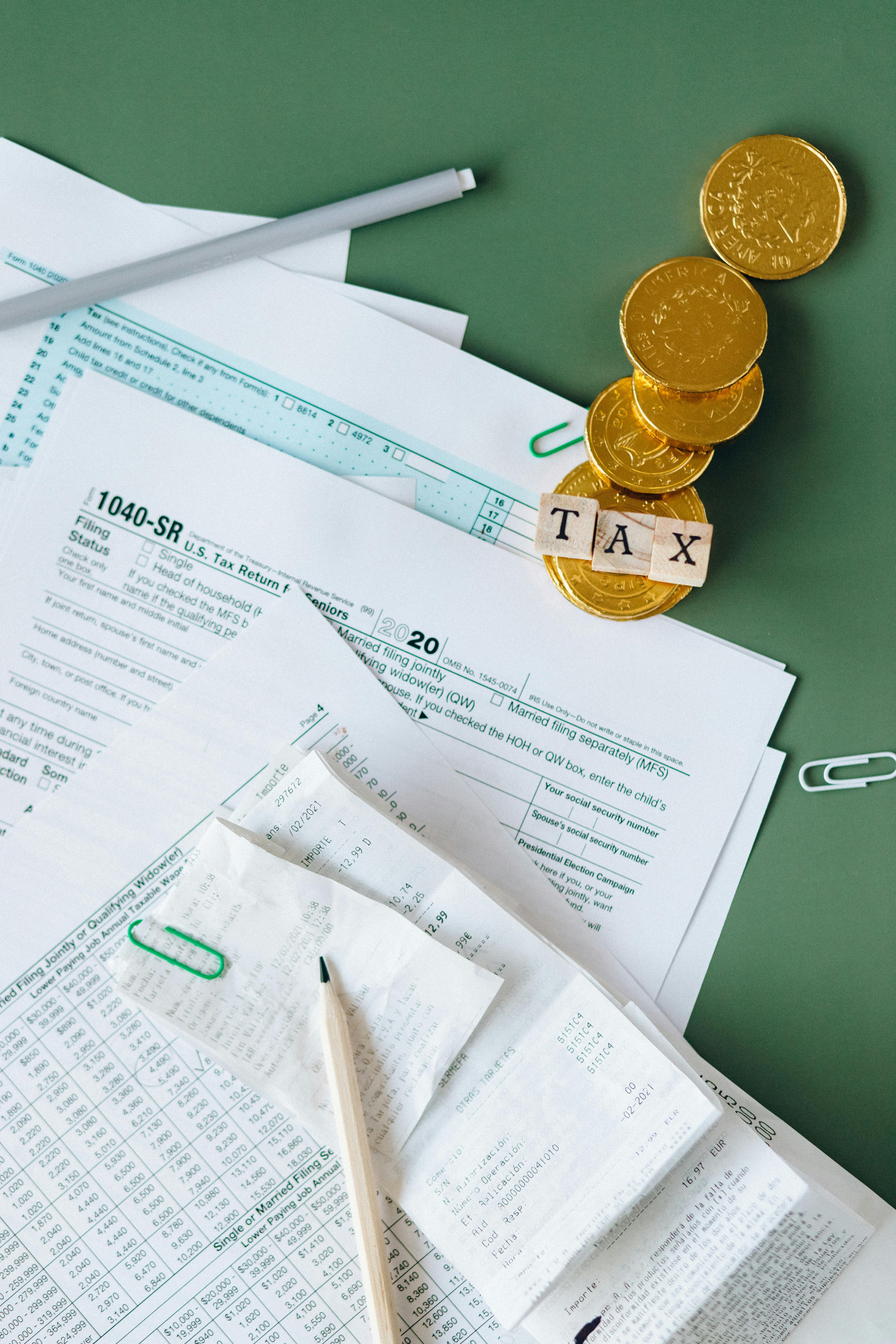
I had a Treasury contact on Friday afternoon. They led with the punchline and then talked around it for forty minutes, which is usually the tell that the line is firmer than the body language. Two hundred dollars per worker earning under $145,000. Phased out between $135 and $145. Non-refundable, so anyone below the tax-free threshold gets nothing. Total spend, $1.9 billion in 2026-27. About a tenth of one Stage 3 cut.
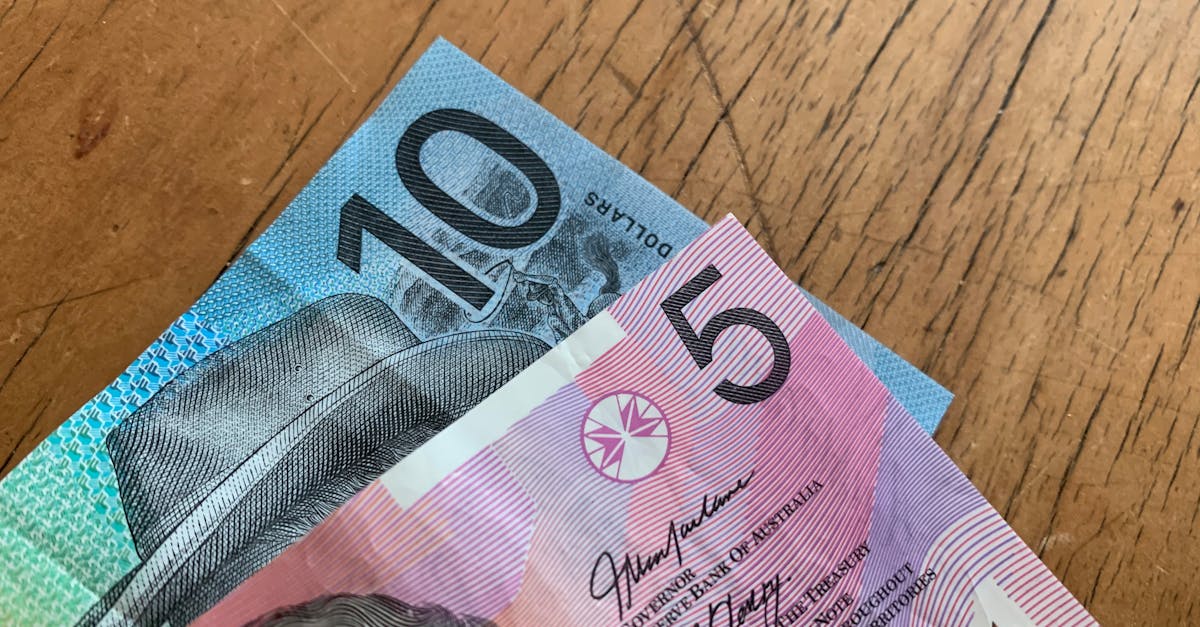
Two hundred bucks is nine litres of unleaded at today’s pump. A tank for a Yaris, half a tank for a Hilux. On any honest read, decorative.
What I keep getting stuck on is what the contact didn’t say. Nothing on energy. Nothing on the rental market. Nothing on the structural piece. The body of the briefing was extremely the budget. The thing under the briefing was that Treasury knows this isn’t going to move the needle and is bracing for the gap between what gets announced and what gets felt.
Worth being upfront about how I came to that read. I might be wrong. The Albanese government’s instinct on cost-of-living all cycle has been to do a small, targeted, tax-side thing rather than a big, broad, transfer-side thing, and the read on that has been politically defensive. But it is also possible they genuinely think the worst is behind us and the offset is the on-ramp to a more confident May. I would not bet on it. I am open to being told I am being too cynical.
Anyway. Here is the actual scenery the $200 is landing in.

The Reserve Bank put the cash rate at 4.85 percent in March, third hike of the cycle. About a third of households on variable home loans are now wearing an extra $176 a month on a $750,000 mortgage. Brent crude past $120 in late April after the Iran flare-up. Retail unleaded $2.34 a litre nationally, twenty-month high, and the bowser caught up to the futures price faster than usual. Grocery inflation six percent year-on-year through the first quarter, comfortably above headline CPI. Coles and Woolworths both flagged softening volumes in their March quarterlies. They both pointed at private-label switching. When the duopoly says “structural change,” not “cycle,” that is the duopoly being worried.
The Australian’s lead retail correspondent on Monday called it “an unstoppable trend.” I have known that journalist for a decade. He does not write that phrase casually. The on-record retailers are saying things to him off-record that they are not putting in their trading updates.
So $200 against any of that. Two weeks of the average extra mortgage repayment. A handful of tanks of fuel. Nothing on rent.
Politically I get it. I am not even being snide. The Coalition’s framing, that the offset is inadequate, wrote itself before the leak hit the wires. You will hear it from Angus Taylor more or less verbatim by Wednesday. Labor’s bet is that “we did something” beats “we did nothing” on a soft economy, and historically that bet has been correct. The catch is that the bar for “something” has moved this year. A $200 offset twelve months from now is not what people are after when their petrol bill is up $80 a month right now.
There is one number from this week worth pulling out of the noise, because it cuts in two directions and I cannot quite work out what it is telling me. CommBank ran a consumer pulse on April 30. Fifty-one percent of Australians say they are willing to pay more to support a small business. Three in ten say they actively prefer small over chain. The conscious-consumer story is real. From the same survey, average discretionary spending is down nine percent year-on-year. So willingness to support local is not the same thing as having $40 left at the end of the fortnight to walk in the door of the local. Sentiment up, wallet down. Both are true. I do not know how to weight them yet.

WA hands its state budget down on May 8. The AFR has it as the largest cost-of-living relief package any Australian state has run since the pandemic. Energy bill rebates, a one-off $400 utility credit per household, public transport price freeze. Funded by mining royalties, which is to say funded by China’s steel mills. Saffioti has a windfall the Commonwealth does not. The federal-state contrast on the same week is awful for Albanese on the optics. In fairness, matching WA without an iron ore boom in escrow would mean a deficit blowout the bond market would notice inside a single session.
The thing I am watching tomorrow night is not the offset itself but the projections sitting underneath it. Specifically the unemployment trajectory and the inflation glide path through 2027. If those are revised the way I think they are about to be revised, the $200 reads as the warm-up act for a very different second-half-of-year package. If they are not, the $200 is genuinely the policy and the strategy is “wait it out.” Both are coherent. Only one is what the briefing notes are quietly telling people.
Press conference on Tuesday will run long. The $200 will arrive in your account about twelve months from now. The RBA, on every read available to me, is not done with this cycle. Bring snacks.

Sydney finance and careers writer. Six years at the AFR before going independent. Tracks budgets, super and the working life.
The Lifestyle Desires brief
Style, food, travel and wellbeing — weekly in your inbox.
Subscribe