The $2,500 Decision: Why More Australian Women Are Freezing Their Eggs

Egg freezing has become Australia's quietest growth industry — a six-week, $2,500 procedure that thousands of women under 35 are now treating as routine. The data, the costs, and what fertility specialists wish more women understood before they commit.
Three patients asked me about egg freezing in one week last month. Different ages, different jobs, basically the same question. That’s not normal in general practice. Or wasn’t.
One of them, let’s call her Cat (not her real name), is the reason I sat down to write this. Thirty-five, inner-west Sydney, a job that pays the rent but doesn’t quite stretch to a Bondi apartment. She’d already booked at a clinic in Bondi Junction by the time she came to see me. Wanted to know if I’d recommend going through with it. Six weeks of injections, $2,500 on her card, fourteen eggs in liquid nitrogen at the end. I told her what I tell everyone, which I’ll get to. She did the cycle in December.
Numbers. Monash IVF, Genea, City Fertility all reported double-digit year-on-year growth in elective egg freezing through 2025. The cohort has shifted too. Used to skew late thirties, women trying to outrun a deadline. Now it’s twenty-eight to thirty-five, single, university-educated. When I ask why now I get a variation of the same line almost every time. “I’m not waiting for everything to line up to have the option.”
Fair.
What you are actually signing up for
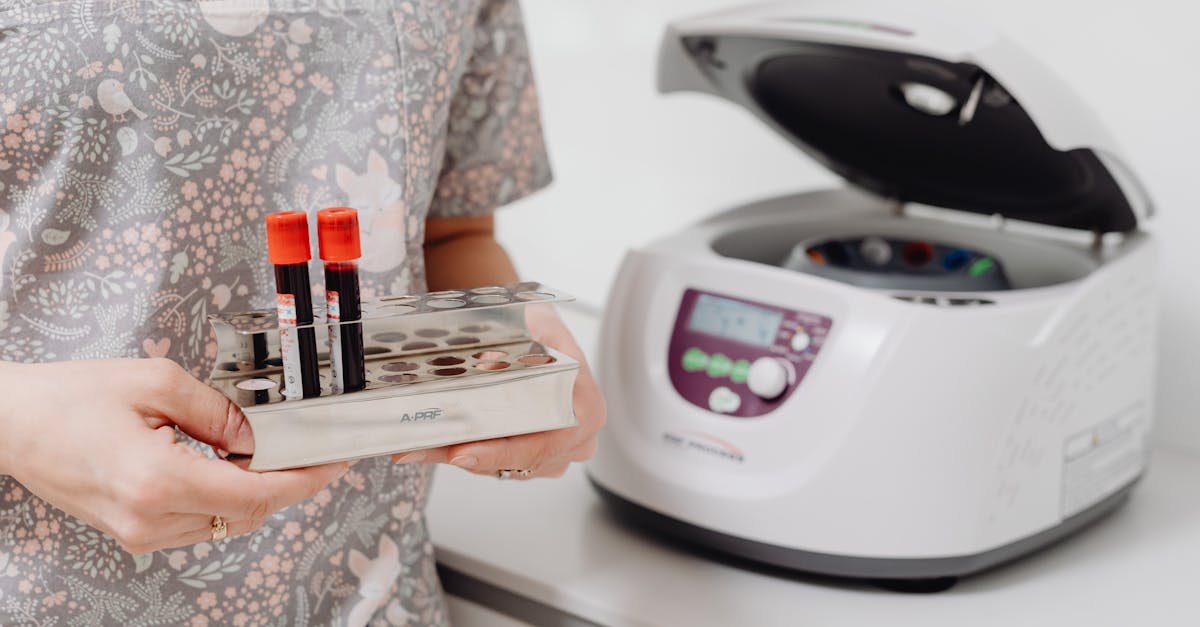
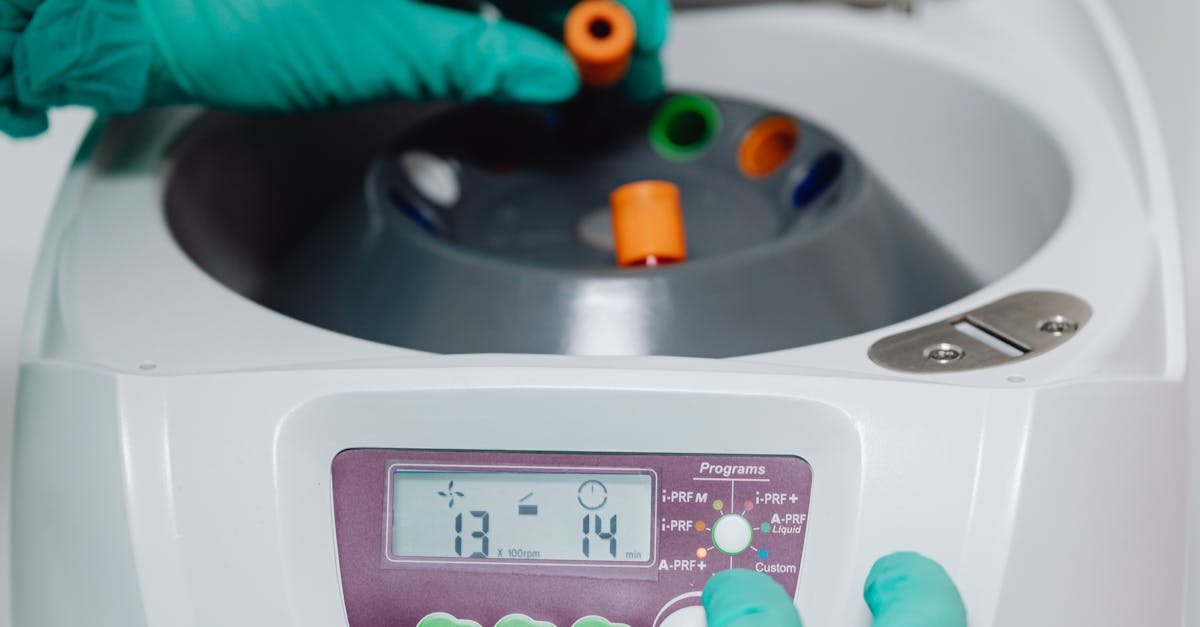
Five to six weeks door to door. Daily injections you give yourself for ten to fourteen days. The drugs push your ovaries to mature a clutch of eggs in one cycle instead of the usual one. Then a short retrieval under sedation. The eggs get vitrified, essentially flash-frozen, and they sit in liquid nitrogen until you decide what to do with them. May be in three years. May be never.
Cost is messier than the brochures suggest. Per cycle: $2,000 to $5,500 out of pocket, depending on clinic, city, monitoring tier. Storage is another $400 to $700 a year on top.
What the headline number leaves out: a lot of patients end up doing two or three cycles to bank enough eggs for a workable chance at a future live birth. The $2,500 you see in the brochure is a floor, not a ceiling.
Medicare. People assume more than is true. If the cycle is medically indicated, say a cancer diagnosis on the way to chemo, item 13212 attracts a real rebate. If it’s “social”, you pay the lot. After tax, from savings.
Why now
The demographics are the boring answer and probably the most honest one. Average age of a first-time mother in Australia is now thirty-one, still creeping. That alone changes the maths on when a backup plan starts looking reasonable.
There’s also the anthropological study in Reproductive BioMedicine Online describing what the authors called a “mating gap”. Heterosexual women in their late twenties and thirties reporting a real shortage of partners they consider ready for parenthood. I’m not going to argue with my patients about whether the gap is real or what’s causing it. They tell me it is. What I can say is that “I haven’t met someone I’d do this with” has overtaken career as the most common reason offered in my room. Five years ago that wasn’t true.
Then the culture shifted. Egg freezing used to be private. You did it and didn’t tell anyone. Now it’s on Mamamia, on the She’s On The Money podcast, at hen’s nights. Lainey Wilson built a Netflix doco around her own cycle. Three of the original MAFS Australia cast have talked publicly about freezing in the past eighteen months.
What I find myself saying in nearly every consult
Narelle Dickinson, a Brisbane fertility psychologist, told Fashion Journal recently: “Egg freezing can be empowering. It is not a neutral decision.” That’s almost exactly how I’d put it, so honestly I just steal it now.
The bit patients least want to hear, I usually try to get out of the way early. Freezing eggs does not buy you a baby. It buys you an option. Live-birth rates depend heavily on how old you were when you froze and how many you banked. The fuzzy headline number is something like a thirty to forty percent chance of a live birth per IVF cycle using eggs frozen in a woman’s early thirties. Some patients get there in one go. Some never get there. I’ve sat with both.
There’s also a stat that throws a lot of women when I mention it. Most patients who freeze eggs never actually come back to use them. International data has return rates running under ten percent within a decade. Statistically speaking this is a peace-of-mind purchase that happens to also be a fertility option, not the other way around.
And the practical thing nobody warns you about properly: the stim phase isn’t fun. Bloating, mood swings, breast tenderness, a specific fatigue that’s hard to describe. Most patients get some combination. A small minority develop ovarian hyperstimulation syndrome, which is more serious and occasionally lands you in hospital. Most patients describe the two-week injection phase as the actual hard bit. The retrieval, which sounds scarier on paper, they describe as a relief.
The bit I can’t fix in a 20-minute consult
There’s a quieter conversation among bioethicists and some of the more reflective clinicians I talk to. A meaningful slice of elective egg freezing is, when you look sideways, a private workaround for things that are actually structural. Career structures that punish women in their thirties. Housing that’s harder to afford on one income than at any point in any of our lifetimes. A dating market that, by most accounts, isn’t getting any easier. None of which is my patient’s problem to solve at the moment she’s deciding whether to start injections. But those are the reasons she’s in my room.
I’m not raising any of this to talk anyone out of anything. I’ve referred plenty of patients for cycles, I’ll refer plenty more, and for the right person I think it’s a reasonable thing to do with five-figure post-tax savings. I raise it because the honest version of the conversation tends to be more useful to my patient than the empowering one. Egg freezing is now a routine line item in the budget of a thirty-something Australian woman. The least we can do, me, the clinics, the magazines, is help her see clearly what she’s actually buying. And what she isn’t.
Dr Mira Joshi
Brisbane-based GP turned health writer. Covers women's health, fertility and the gap between clinic and culture.
You might also like
Inside Australia's Clean Beauty Boom — and the $5.7 Billion Question
Australia's clean beauty market is on track to nearly quadruple by 2034, driven by ingredient-literate Gen Z shoppers and a sharp pivot toward Aussie-owned brands. Where the money is moving — and what it means for what's on your bathroom shelf.

Two Hundred Dollars and a Long Press Conference: Reading Budget 2026
Treasury rang Friday and led with the punchline. The body of the briefing was the $200 offset. The thing under the briefing was a quiet acknowledgment it isn't moving the needle. What Albanese is and isn't announcing on Tuesday.

Why Single Australians In Their Thirties Are Done Apologising
Dee Salmin's new book, a viral Bridget Jones essay and a cultural recalibration around solo living: how being single past thirty stopped being a problem to fix and started looking like a choice worth making.