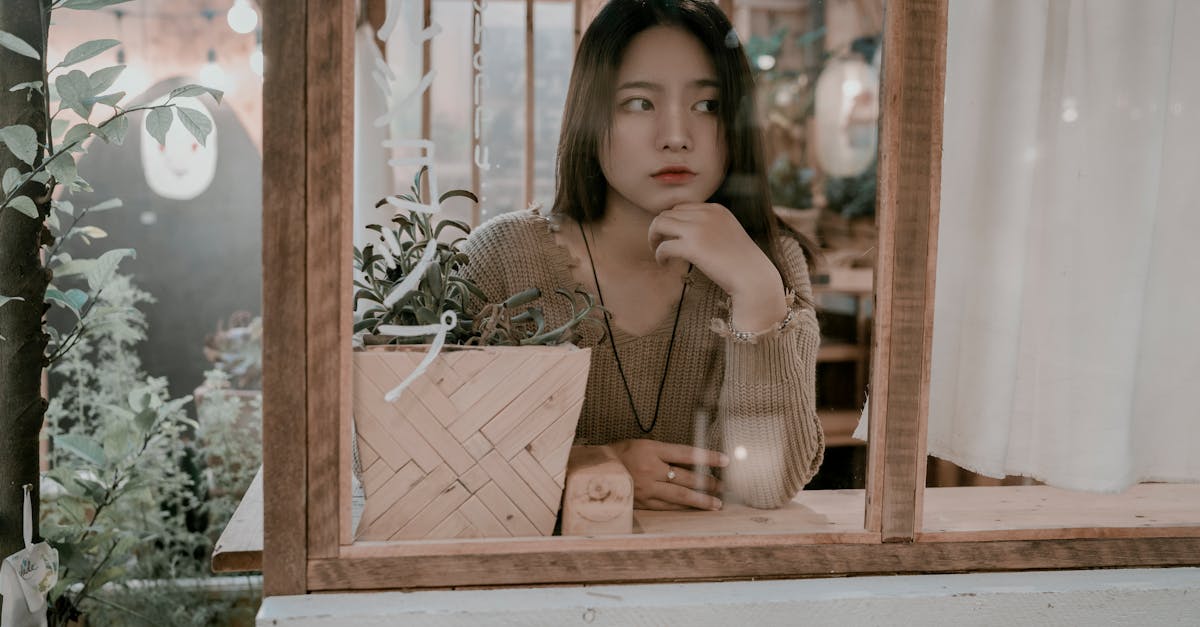
Why Single Australians In Their Thirties Are Done Apologising

Dee Salmin's new book, a viral Bridget Jones essay and a cultural recalibration around solo living: how being single past thirty stopped being a problem to fix and started looking like a choice worth making.
Right. So a girl I went to uni with, married at twenty-six, kids by thirty, lives in a house in Lindfield with a navy door, texted me last week to ask, very gently, if I was “okay.” Capital O, in inverted commas, the works.
I’d posted a photo of myself at a wine bar in Surry Hills. Alone. With a book. Tinned sardines on the table.
The book was probably the problem. Or maybe it was the sardines. Possibly the look on my face, which (and I went back and checked) was the look of a woman having a perfectly nice time. I love this person. We’ve been mates fifteen years. But honest to god.
I thought about her text the whole time I was reading Dee Salmin’s new book, which dropped last week. Salmin is thirty-three, she’s smart, she’s sorted, by every reasonable metric for a human being she is, well, fine. There’s a bit early on where a colleague asks her, in That Voice we all know, when she’s going to settle down. And Salmin says, mate, I have. I just did it on my own.
The colleague apparently looked at her like she’d grown a second head.
That gap is the book. Single Australian women in their thirties have already moved on. Everyone else is still reading from a script we put down years ago.
The Bridget Jones thing
Right so a fortnight back Siena Hocking wrote this essay in Body and Soul basically arguing that Bridget Jones, the original cautionary tale, the one our mums quietly worried we were turning into, has aged into an aspiration somehow. “Her imperfections feel more aspirational than ever,” is the line. The piece went around. The comment sections were almost exclusively women under thirty-five going: yep. That.
Which I get. Rewatched the first film recently (please don’t ask, it was a Sunday) and I was struck by how much of it now plays as just, a regular Tuesday. The wine. The flat that hasn’t been organised since 2003. The visible loneliness she isn’t pretending isn’t there. The total inability to perform polished femininity for anyone, including herself, including her own diary.

In 2001 that was the cautionary tale. In 2026 it is just a person on a Wednesday night and her name is half my friends.
The numbers, briefly, because I know
Look. The most recent ABS data has lone-person households at twenty-six percent of all Australian households, and rising. Among women aged thirty to forty-four, the share living alone has more than doubled since 1991.
That isn’t a vibe. It is a structural shift.
The partnered alternative? Honestly worse. Hinge’s 2025 Australian dating report clocked the median time between matching and meeting in person at twenty-two days. In 2019 it was eight. I have personally been on the apps long enough to feel that number in my actual ribs. The texting goes on, and on, and the coffee never quite materialises, and one of you eventually goes silent, and you both pretend it’s fine.
For straight women under thirty-five there’s actually a name for the partner shortage now, and I find this a bit funny. A Reproductive BioMedicine study from March called it the “mating gap.” Basically, not enough men with comparable education and earning potential to go round. Australian researchers found the same pattern domestically. So next time your aunt has questions, you can hand her a peer-reviewed paper, finish your wine, and walk off. I might print one.
What Salmin’s book is actually saying
Okay, the book. Her ABC interviewer flagged the title as “deliberately provocative” and the press tour has leaned into that, but the argument inside it is much quieter. She is not saying relationships are bad. I want to be very clear about that, because two separate people in my podcast feed have already told me she “hates men” and they have not, of course, read it.
What she is saying is that the dating advice we got was built for a different economy, a different gender dynamic, a different timeline of life. The bits she pushes back on, you’ll know.
Lower your standards. Settle. Be open. Make yourself available. Smile more. Don’t, for god’s sake, intimidate him.
Salmin’s argument, and this is where I started underlining, is that for a woman who has built a financially independent life she actually likes, this advice isn’t just dated. It is destructive.
“What people miss,” she told the ABC, “is that the women I’m writing for are not lonely. They are full. They have figured out how to be the person they want to be. They are not looking to compromise that for company.”
I read that twice. Then I texted it to three people. Two replied within the hour.
The Love On The Spectrum thing, related
There’s a parallel conversation happening about the way television frames relationships, and Refinery29 ran a really sharp piece on May 4 about Love On The Spectrum and the long shadow it casts over autistic adults. The argument, in short: the show others its cast, flattens nuance into a watchable arc, makes their personhood contingent on whether they manage to find a partner.
I’d never quite been able to articulate why the show made me uneasy. That essay did it for me.

The Refinery29 piece and Salmin’s book are jabbing at the same story. That the right end-state for any adult is partnership. That the route to it is the single most important narrative their life has to tell anyone.
It isn’t. Or, okay, sure, for some people it is, and that’s lovely, but for a lot of us, it just is not.
The men, briefly
Not going to do a whole thing here because that’s not my book to write, but worth flagging, the men are also moving. The ABS 2024 attitudes survey caught a sharp drop, particularly among men aged twenty-five to thirty-nine, in the share who said marriage was personally important to them. Some of that’s the economic squeeze. Some of it is real cultural change. Either way, “where have all the good men gone” is starting to look like the wrong question.
What actually changed
Honestly? The language.
Australian women in their thirties, living on our own, now have a way of talking about that life that doesn’t require an apology or a defence or one of those weird qualifying clauses we all used to tack on the end. “For now.” “Until I meet someone.” “I’m just focusing on myself at the moment, but, you know.”
That language did not exist a decade ago. I know because I was the one doing the qualifying clauses, mostly to my mum, mostly at Christmas, mostly with a glass in my hand.
Whether my mum and the colleagues and the well-meaning aunties and the dating-app algorithms ever catch up, honestly, that is their problem now. The shift on the inside has already happened.
Dee Marlow
Sydney columnist on dating, relationships and modern singledom. Co-host of the One More Drink podcast.
You might also like

The Gold Coast Reinvents Itself — Again
From schoolies trip cliche to lifestyle-migration darling, the Gold Coast has been quietly reinventing what it means to live and visit there. Inside the cultural and economic shift behind Australia's most polarising holiday destination.
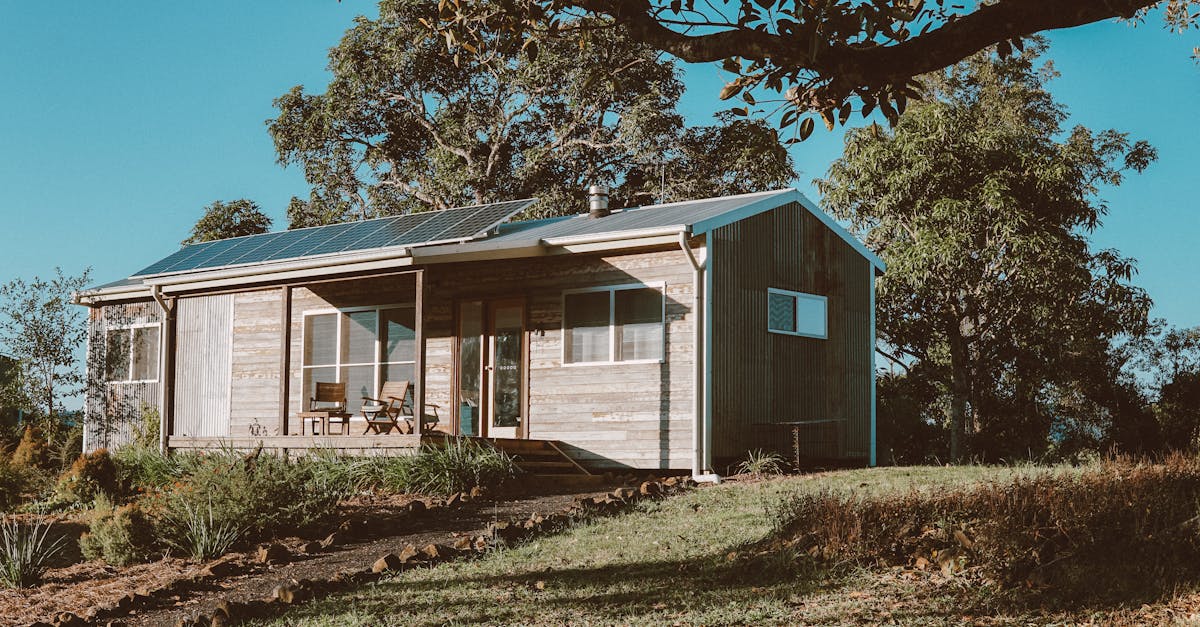
Tiny, Off-Grid, Two Nights Max: How Aussies Are Travelling in 2026
The two-week beach holiday is being quietly retired. Airbnb data and Tourism Australia figures both show short, regional, off-grid stays surging — and South Australian tiny cabins now leading the country's most-wishlisted list.
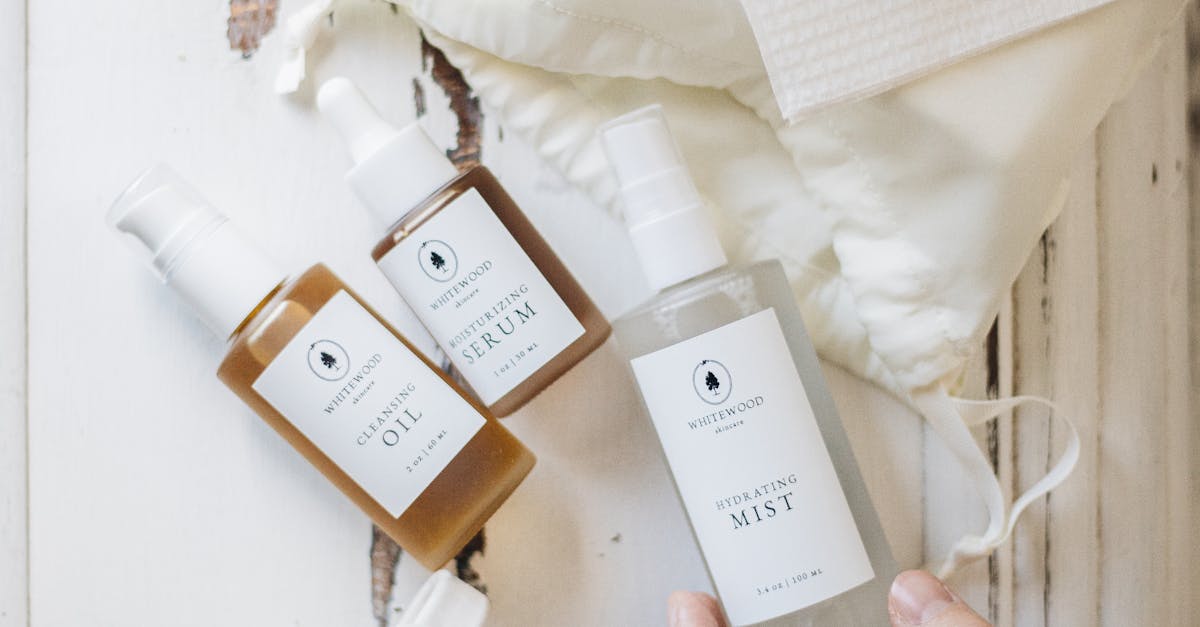
Inside Australia's Clean Beauty Boom — and the $5.7 Billion Question
Australia's clean beauty market is on track to nearly quadruple by 2034, driven by ingredient-literate Gen Z shoppers and a sharp pivot toward Aussie-owned brands. Where the money is moving — and what it means for what's on your bathroom shelf.